


Football changes lives El fútbol cambia vidas
The Homeless World Cup returns to the Zócalo in Mexico City from 17–23 January 2027.
Read the latest news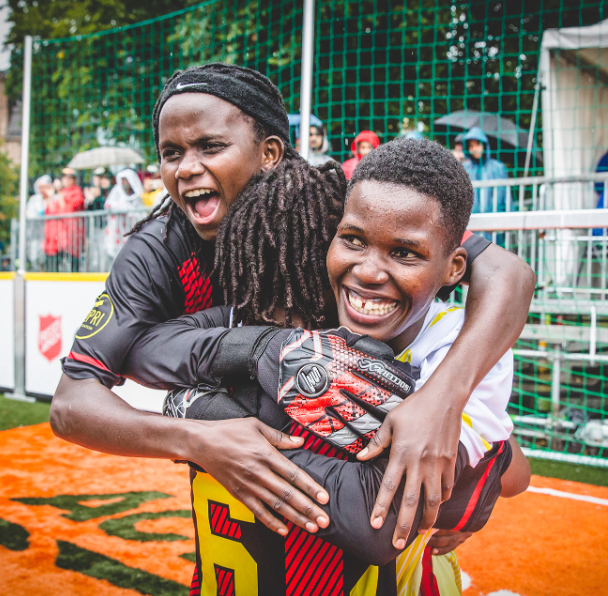

21st Homeless World Cup

The Homeless World Cup returns to the heart of Mexico City from 17–23 January.
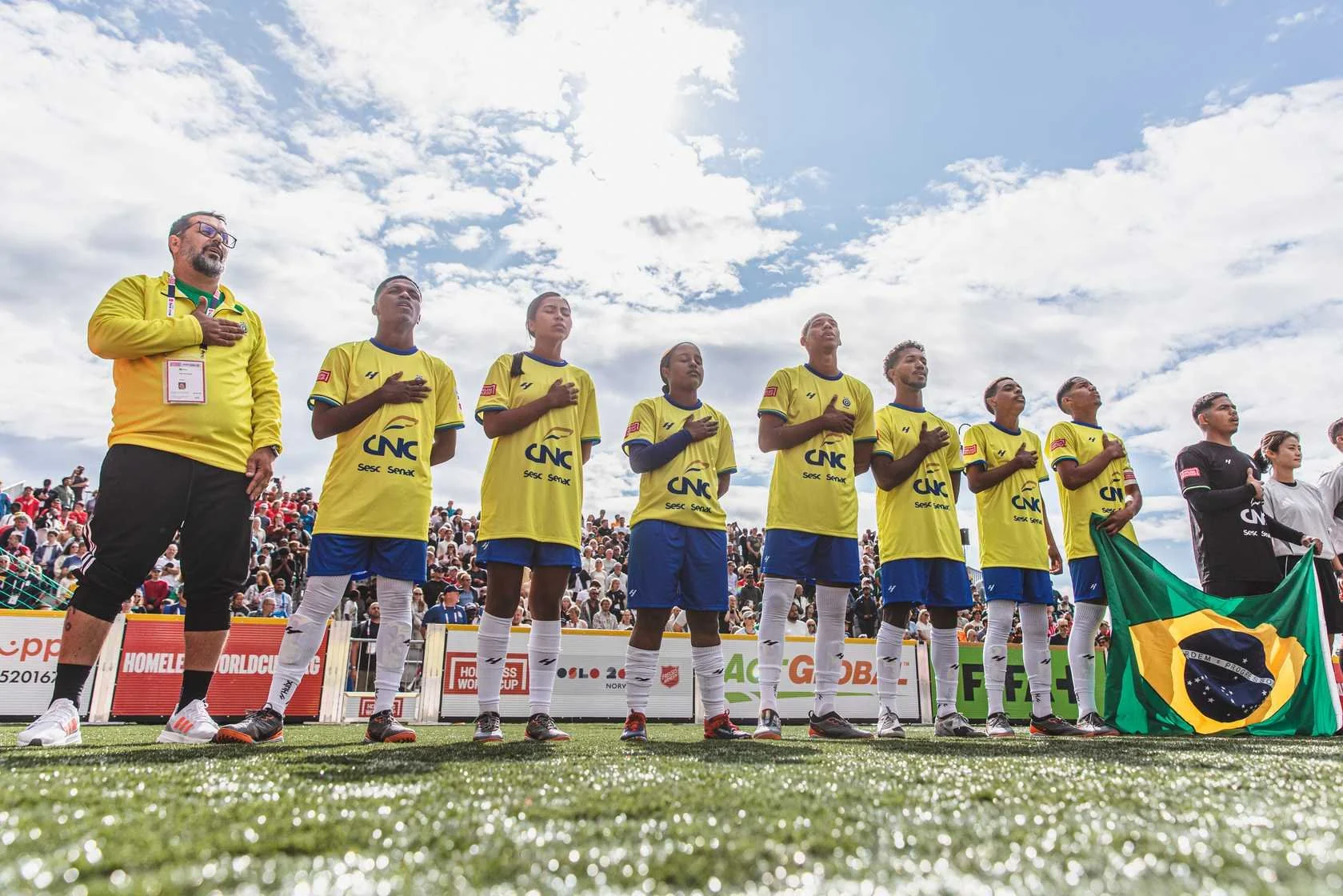
Around 500 players from across the world will step onto the pitches at the Zócalo to represent their countries in seven days of fast-paced, four-a-side street football.
Mexico City also hosted the Homeless World Cup tournament in 2012 and 2018.
This January, a new generation of players will step onto the global stage at one of the world’s most iconic squares
Follow the build-up with the latest tournament news and player stories from the Homeless World Cup Foundation.
mexico city 2026 rankings
The table shows the provisional Mexico City 2026 tournament rankings.
The Movement column shows changes in the wider Homeless World Cup global rankings since 2025.
The invited team list and tournament rankings are current as of 28 November 2026 and may change ahead of the official draw in January.
No nations match your search.
What is Street Football?
Four-a-side football. Fast games. No draws.
Get to know the street football rules that keep the Homeless World Cup moving, from rolling substitutions to sudden-death penalties when a match ends level.
Every player taking the pitch in Mexico City this January has experienced homelessness in the two years leading up to the tournament.
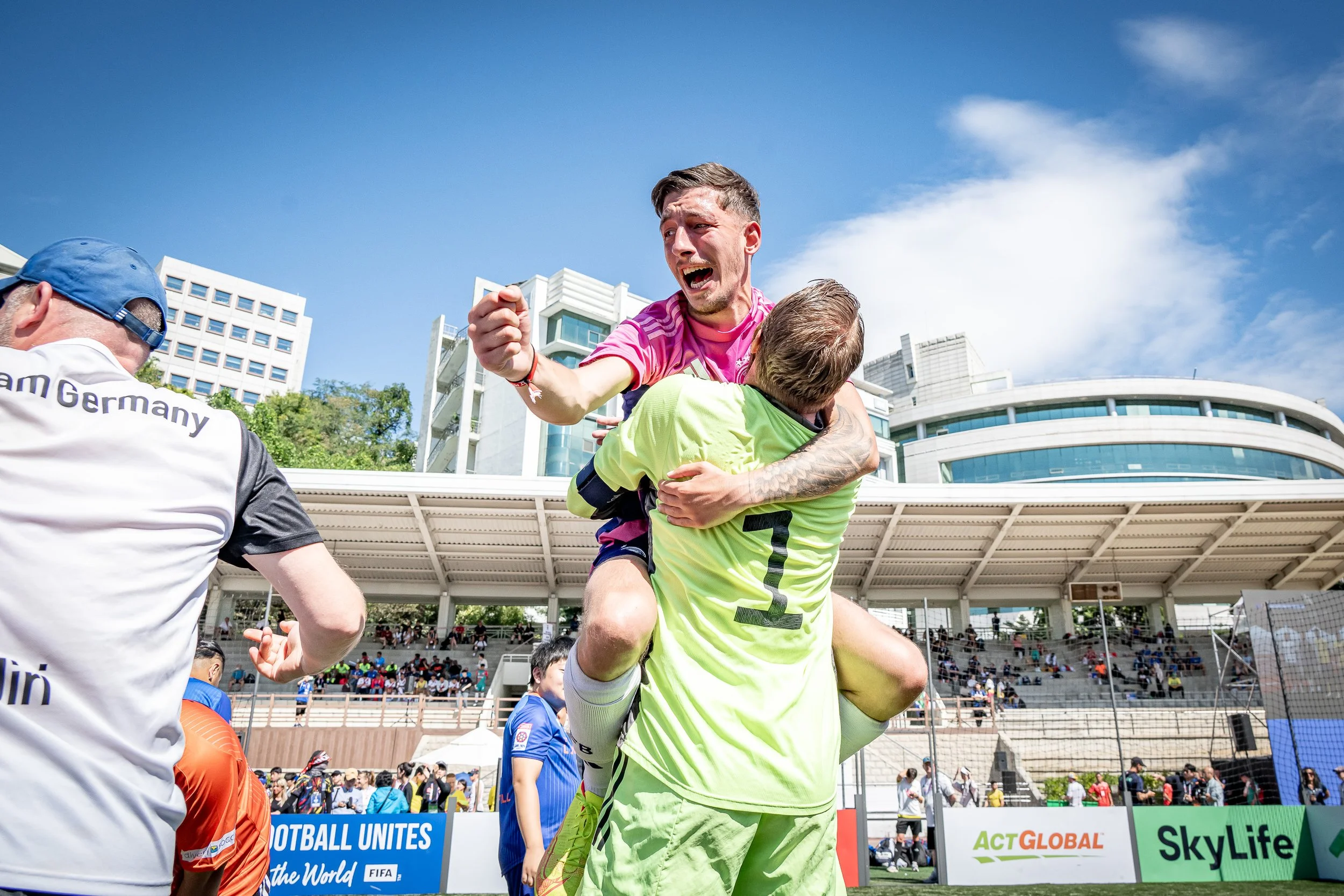
At the Zócalo, they’ll pull on their national shirts and represent their countries. Through football, the Homeless World Cup Foundation helps people build friendships, feel part of a team and take pride in what they achieve together.

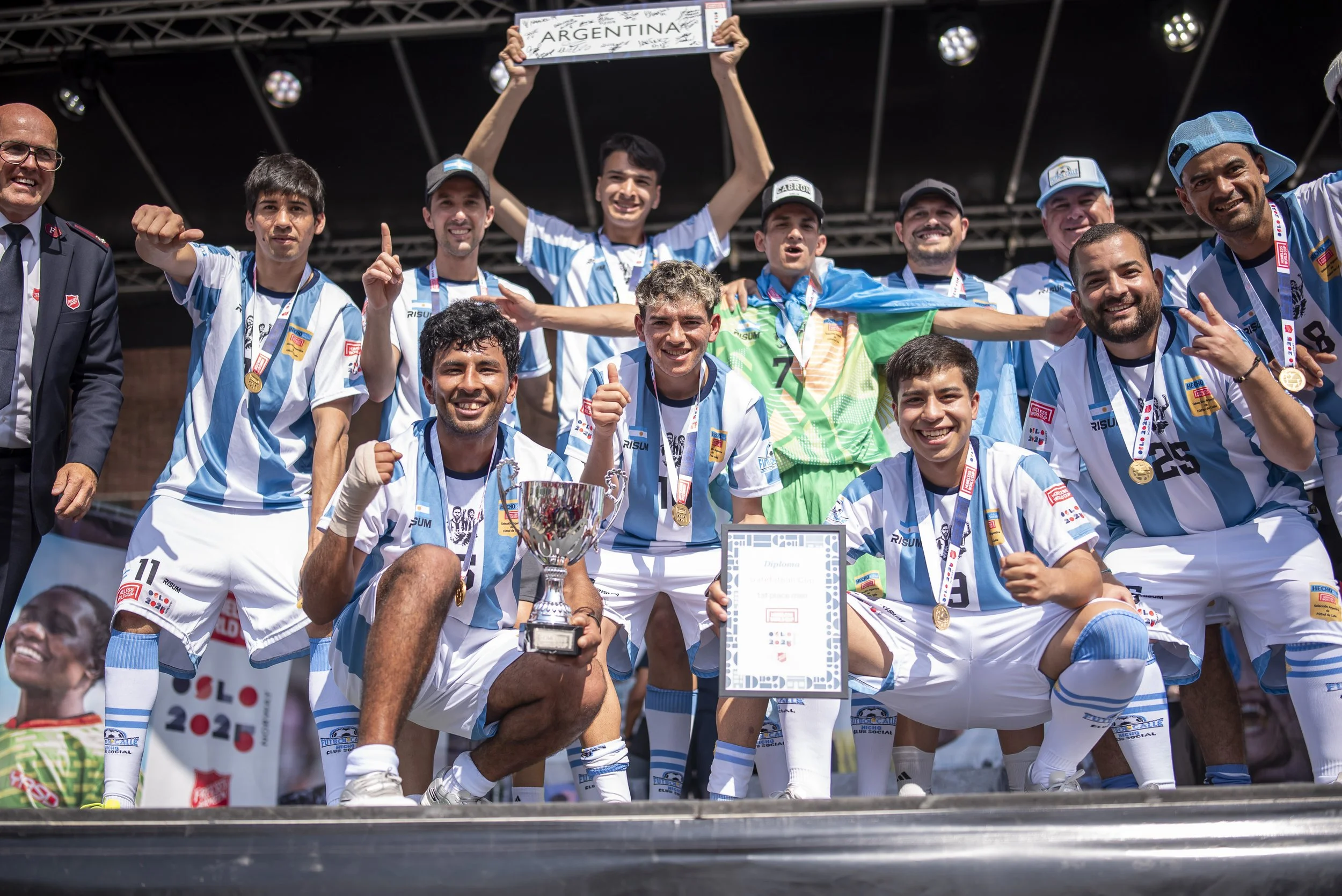

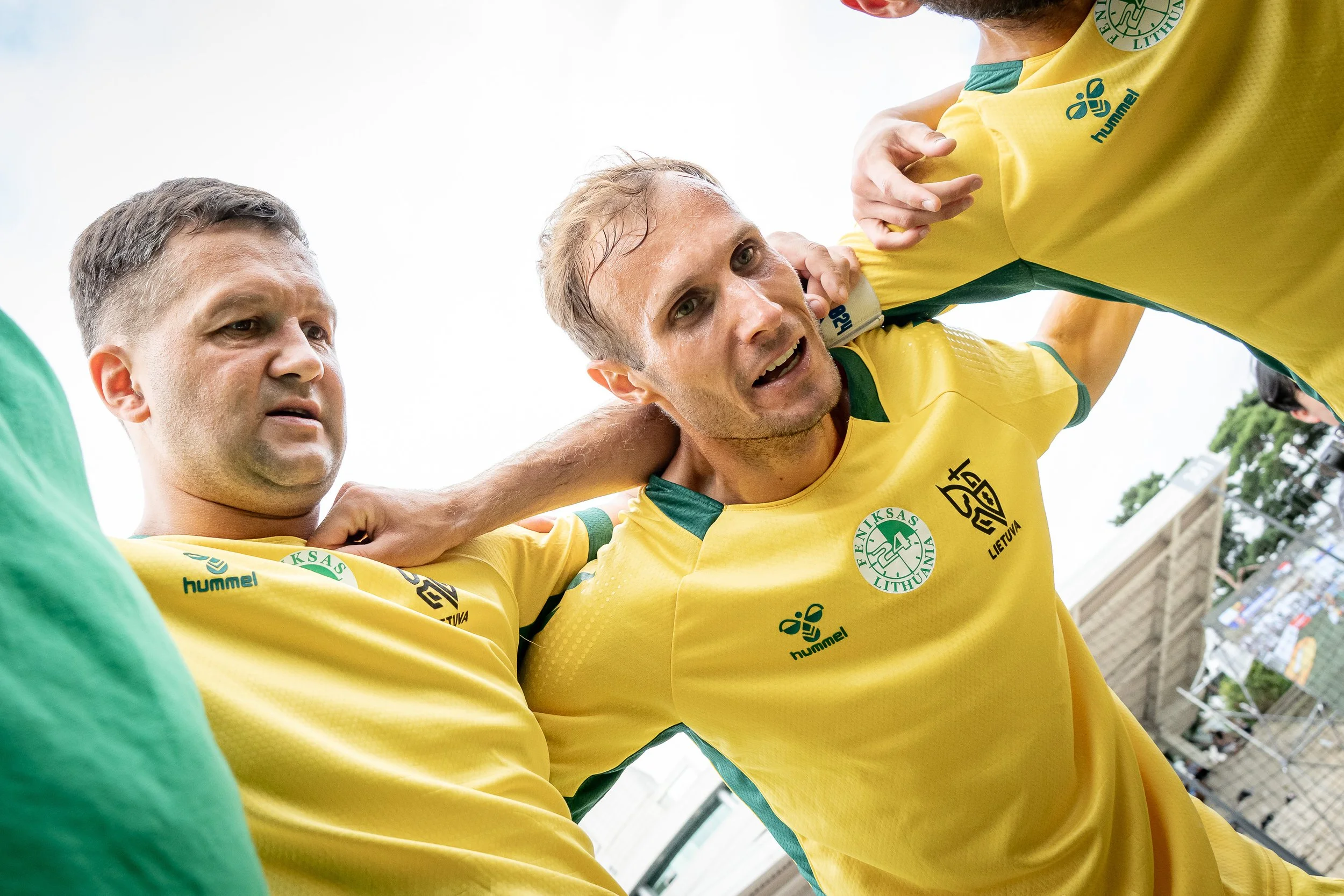

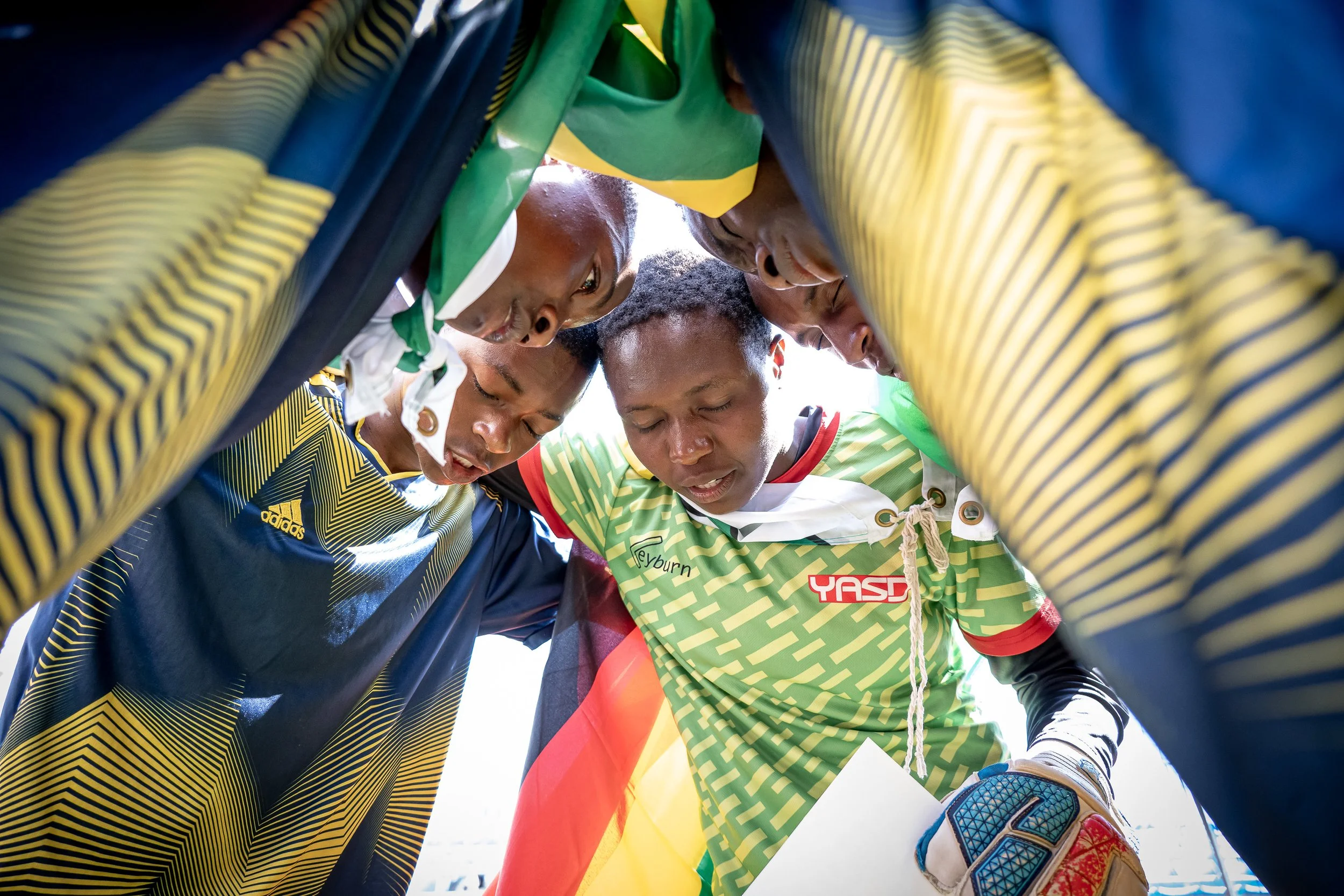
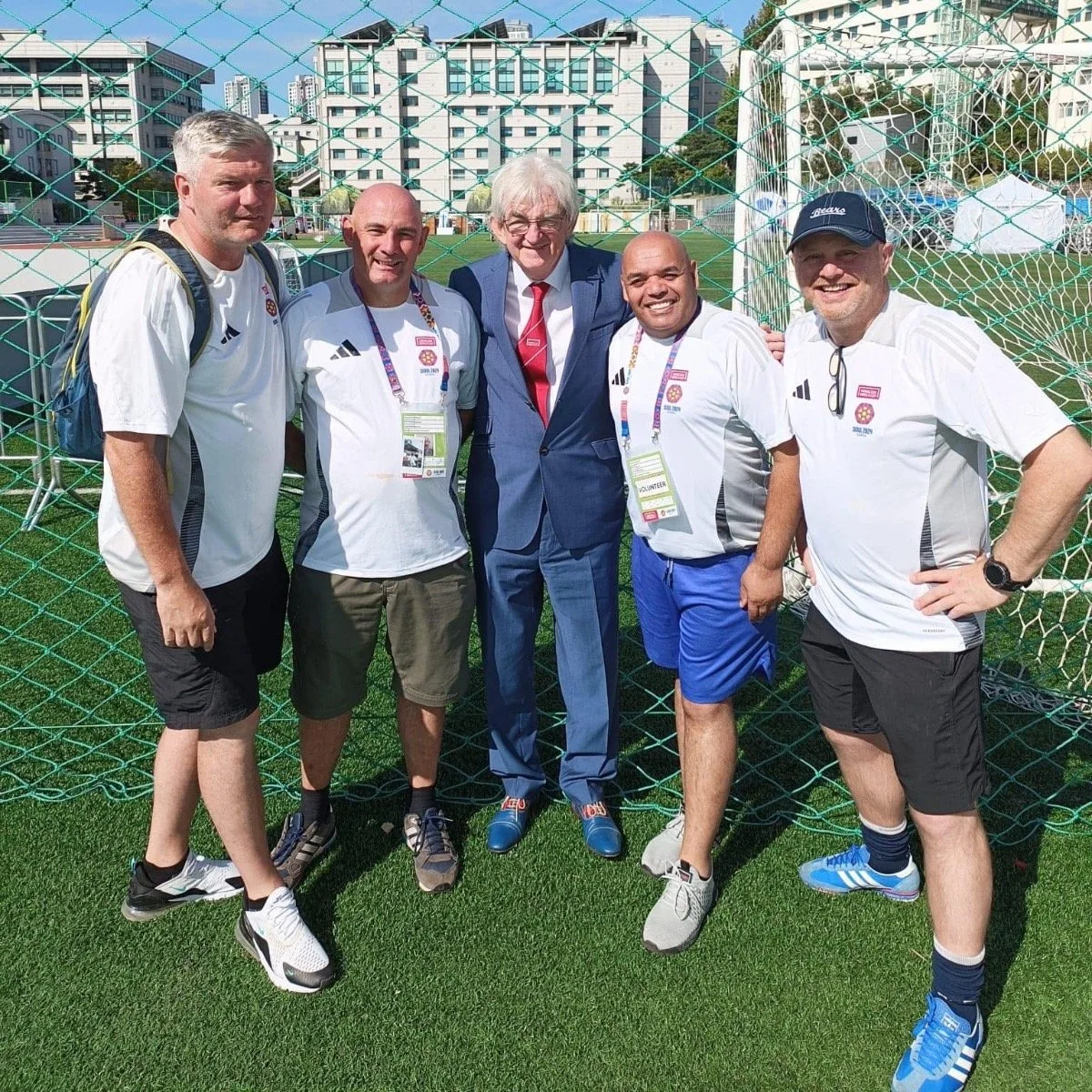


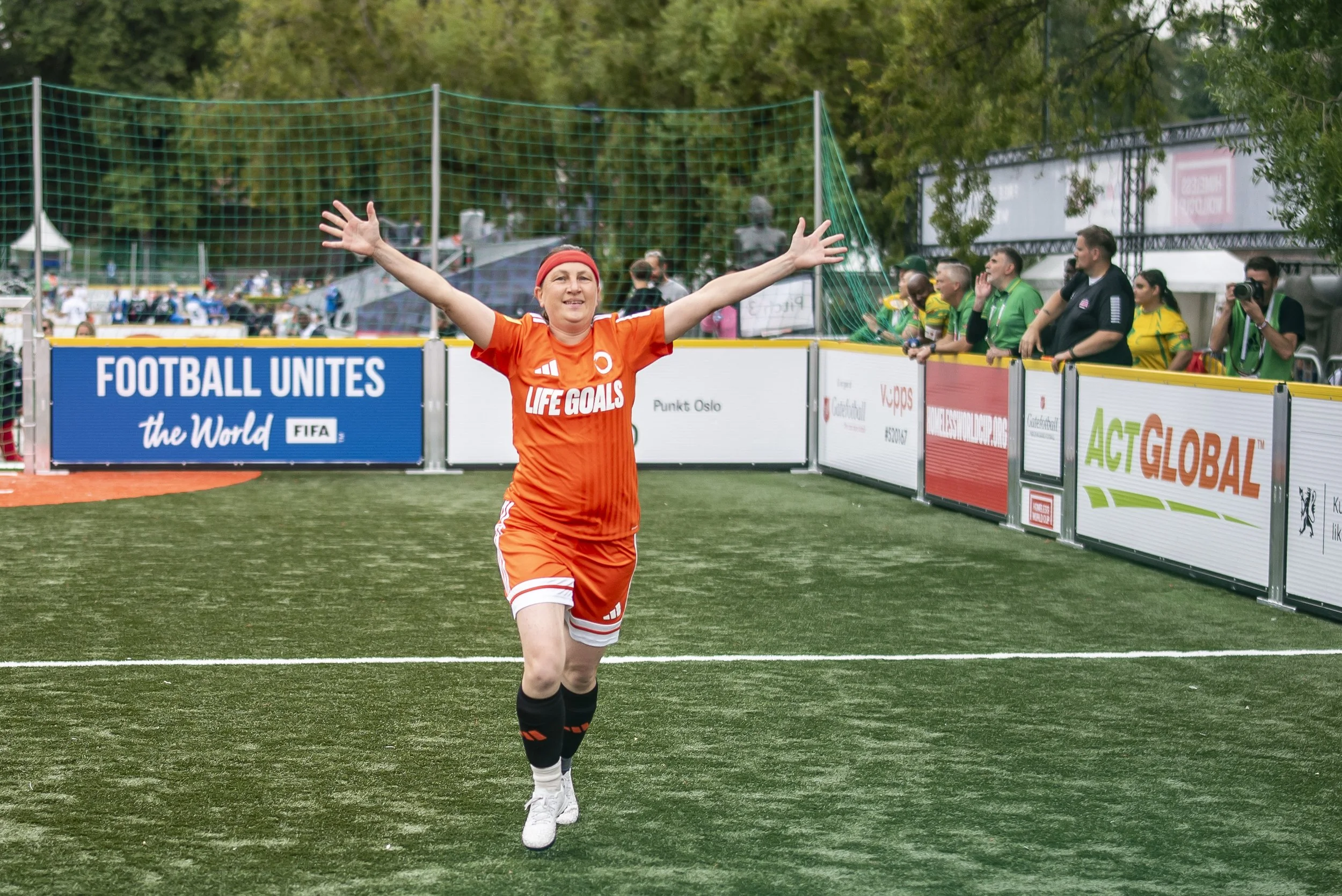
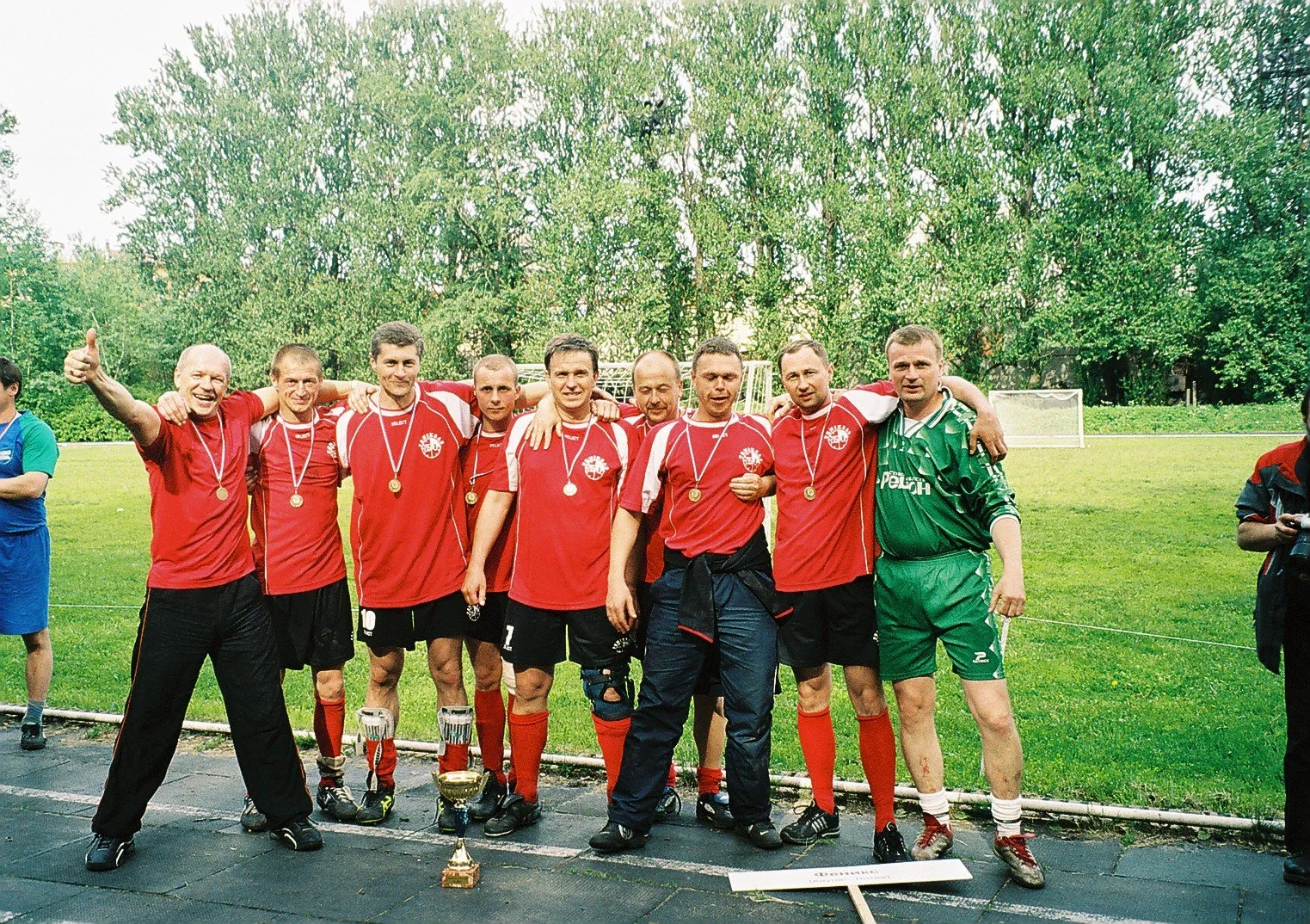
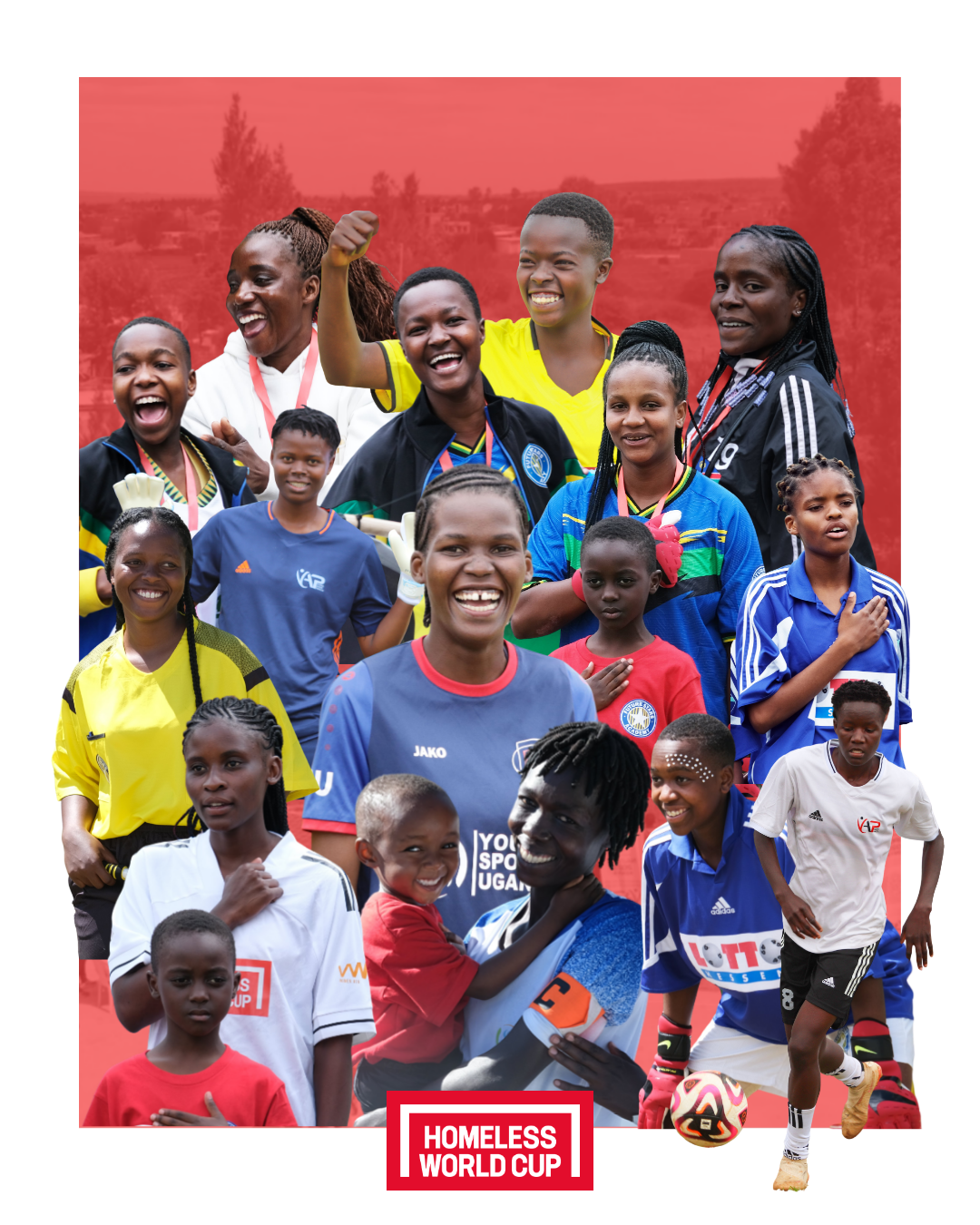



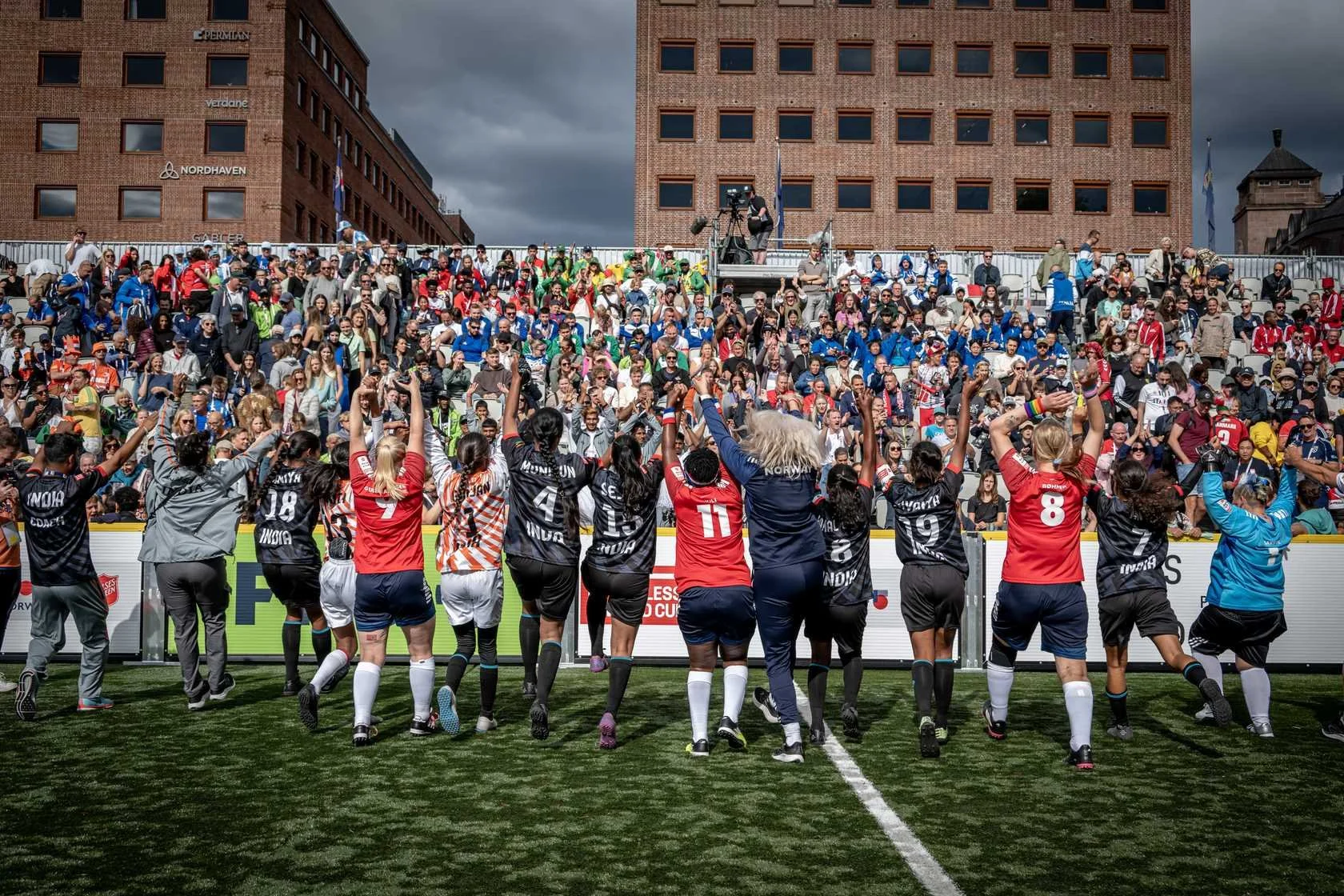
Our Vision is for a world without homelessness.
Our Mission is to use football to support and inspire people who are homeless to change their own lives; and to change perceptions and attitudes towards people who are experiencing homelessness.
According to the latest figures from UN-Habitat in 2025, more than 300 million people are experiencing homelessness globally, while around 2.8 billion people lack access to adequate housing, secure land or basic services. More than 1.1 billion people live in informal settlements and slums worldwide.

“Football made me part of the world.”
Ari Hulden ‘Huli’ lived on the street in Helsinki and Stockholm for ten years, then he found football.
Representing Finland at the Cape Town 2006 Homeless World Cup, he found a place to belong.
“Cape Town was wonderful. We played in Nelson Mandela Square, and I saw teams from everywhere in the world for the first time: Sweden, Russia, Africa, the UK, Europe and everywhere! That feeling touched my heart very strongly. I thought I want to belong to this family.”
He came back from the tournament and set up his own football sessions, twenty years later he is known by lots of players past and present as ‘Ukki’ - Grandad - because he’s become the grandfather of street football in Finland leading hundreds of players to follow in his footsteps.
Buy a £5 seat in the Impact Stadium and support future players like Huli to start their journey through football.
Every donation makes a difference.
Our Impact Stadium is supported
by Genius Sports

Mexico at the TOURNAMENT





The Homeless World Cup:
Where It All Began

“By the end of the night we had invented the Homeless World Cup ”
Read the story about the life changing conversation in Cape Town between Harald Schmied and Mel Young, two street paper editors who decided they wanted to do more to change the world.
Our Work In Action
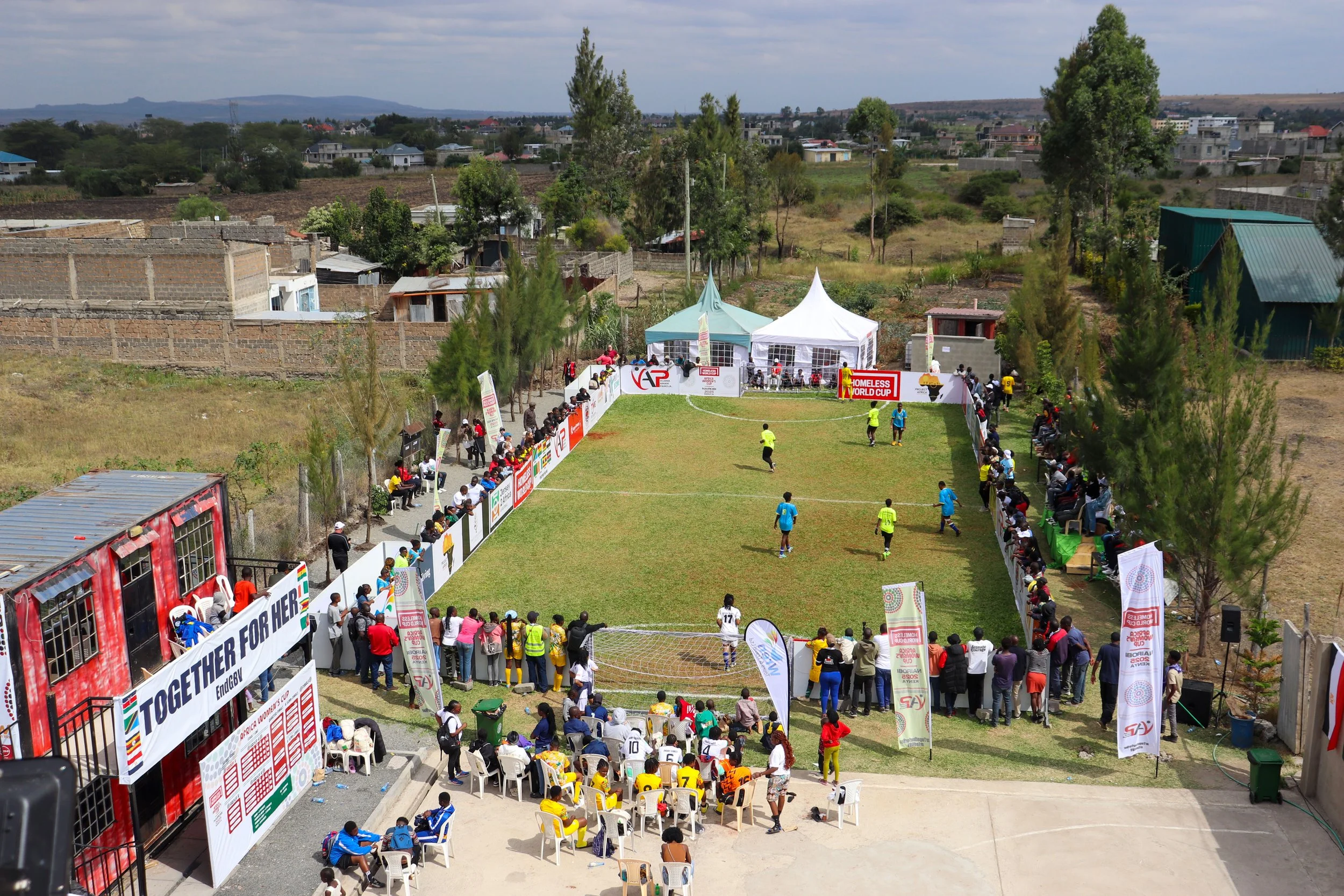
The Homeless World Cup is one life-changing week in the year, but the Homeless World Cup Foundation operates year-round.
Together with our Global Network we reach 70+ nations worldwide using grassroots football as a vehicle for change.

More Than A Film
Did you know that many of the football players in film The Beautiful Game were former Homeless World Cup players?
From Mohsen and Hussain who represented Afghanistan in the film after fleeing to Europe as teenagers, to Markus who had the courage to tell his family he was homeless after being selected for the Austrian team at the Glasgow 2016 Homeless World Cup and his teammate Serkan who went on to become a Homeless World Cup referee after playing in Melbourne in 2008.
Read the remarkable stories of the real players.
MEXICO CITY 2026 homeless world cup partners