
Luck, Life and Football
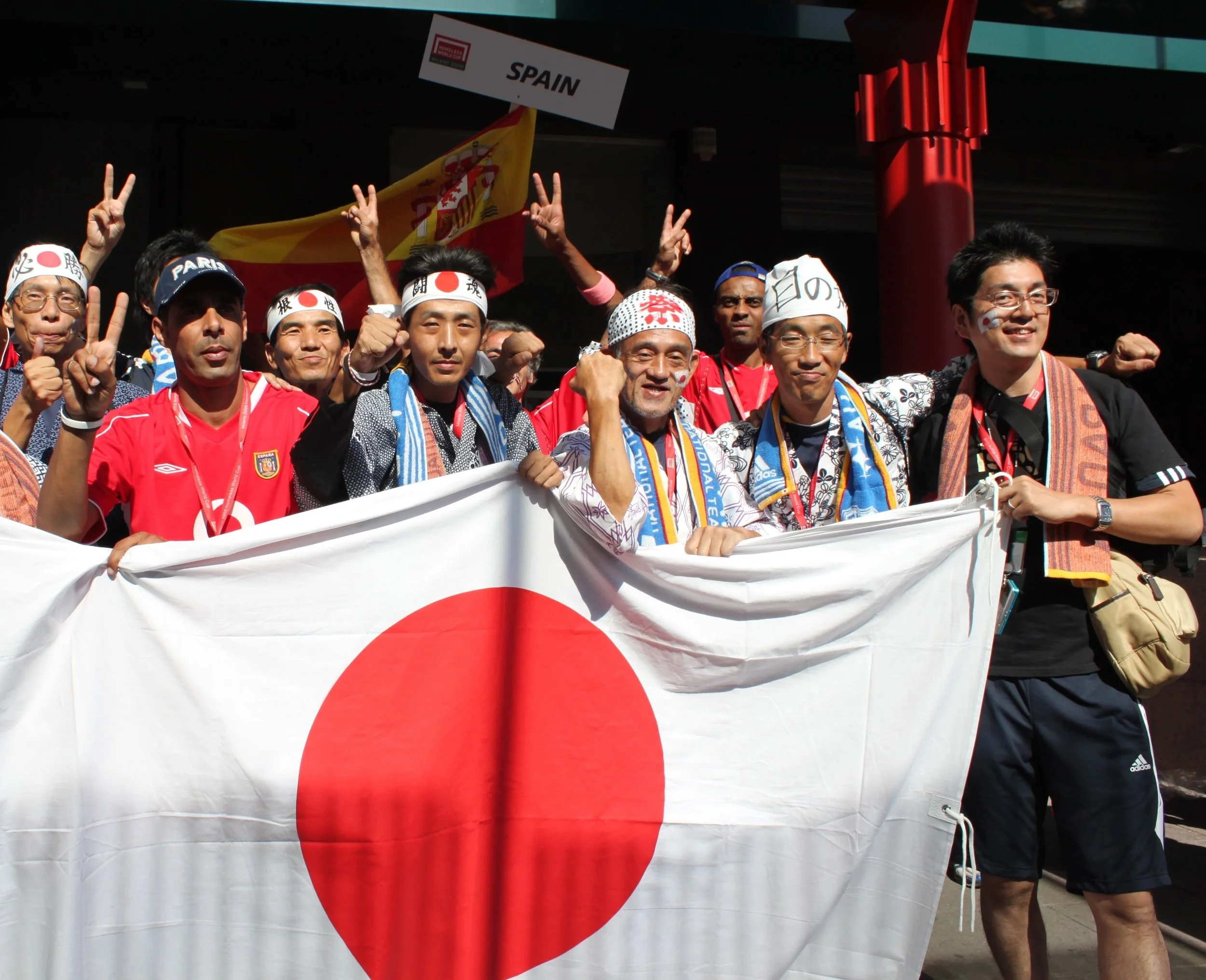
| Yoshi-Hiro Hirakawa represented Japan at the Milan 2009 Homeless World Cup
“If I had known about the welfare system earlier, I would have never slept on the streets.”
After football training one day, Yoshi Hiro Hirakawa walked into The Big Issue Japan office in Osaka. A staff member turned to him and asked, “Can you get a passport?” Just like that he secured the final place on the team.
Finally, some luck - life for Hirakawa hadn’t always been so lucky. He left home at 15 and got a job in Osaka at one of the many Pachinko parlours in the city. Pachinko is a type of pinball game in an amusement arcade, the bright lights and colours distracting from the gambling taking place.
While he was working there, he was given temporary accommodation. But working at 15 is illegal in Japan and when his employers found out about his age, he lost his job and became homeless, sleeping on the streets.
“I knew nothing about the welfare system when I was younger. It was only by chance that I met someone who introduced me to it. If I had known about the welfare system earlier, I would have never slept on the streets.”
For Hirakawa, one of the biggest struggles of being homeless was the public perception of being a “beggar”.
He says: “Now people say homeless, but before they would think that people who are homeless are beggars and so they would live on left-over food, searching for food in the garbage bin. That is not the case. People who are homeless have jobs, it’s not that they don’t want to work. They work. And they don’t live on left-over food.”

He was sleeping in a Ōgimachi Park in Osaka when another sleeper invited him to come along to a soccer session. After securing the final place last minute, he was on a flight to Milan to play for Japan at the Homeless World Cup.
“It was a great experience, but we didn’t do very well in the tournament, so I was a bit embarrassed.”
The team finished fourth out of eight in the bottom rung of the competition. On returning to Japan, he played in one more charity football tournament before hanging up his football boots for good and deciding he preferred to dance.
Being part of the tournament and becoming a Big Issue Japan vendor helped him to find a more secure place to live. He is currently living in a flat supported by the welfare office.
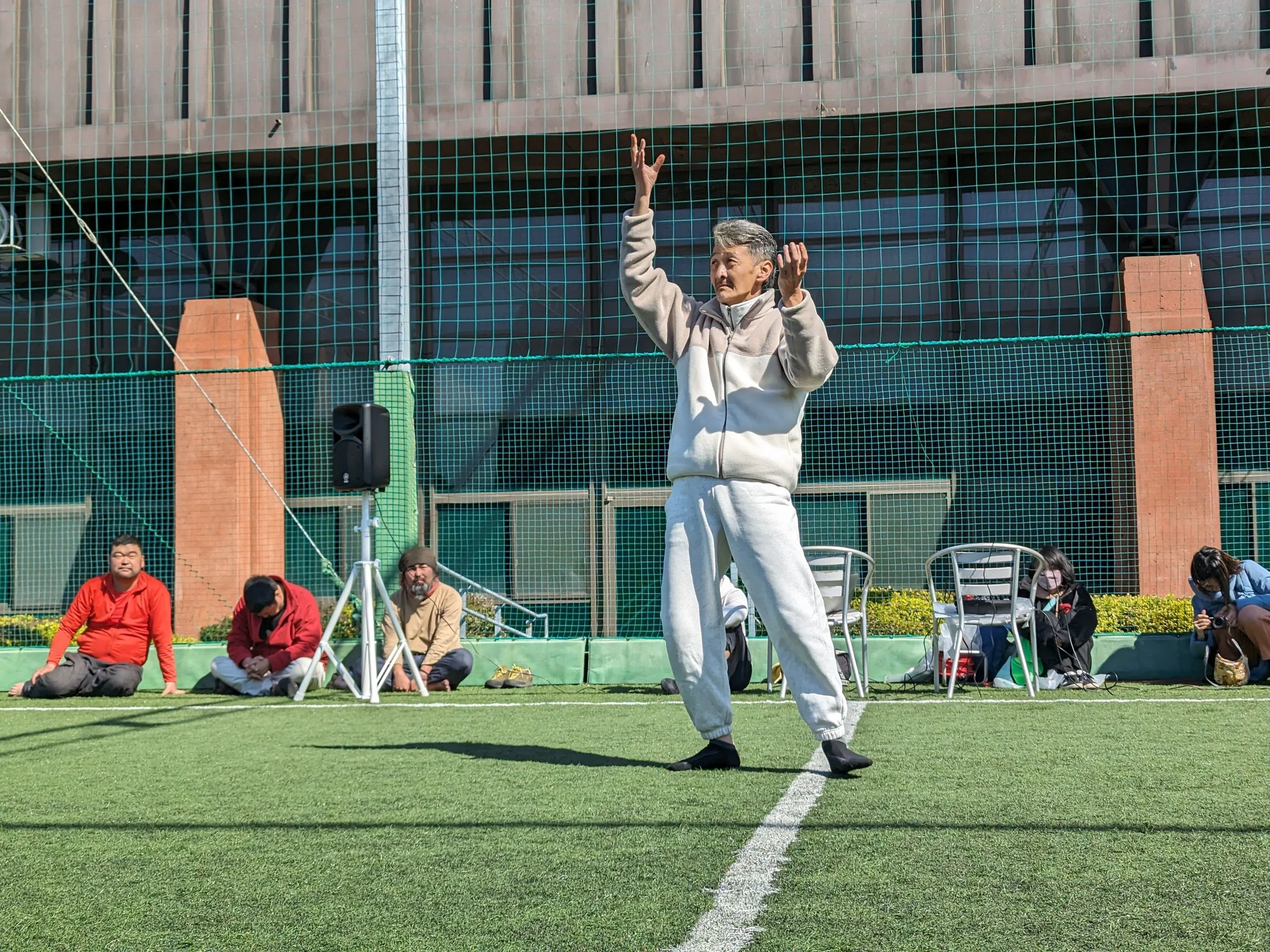
He also became good friends with the other vendors, one invited him along to Sokerissa – a contemporary dance company in Osaka that welcomes people who are homeless or who were previously homeless.
The dance company focuses on contemporary dance. It gives Hirakawa an opportunity to express himself and use his imagination. It’s unchoreographed, enabling people to be free to move how they like, with creative freedom.
“Dance was very new to me, I’d never done it before, but it’s become a constant in my life.”
Our Japanese partner is Diversity Soccer Association, find out more about their work.
Words: Rebecca Corbett