Stories of Change: Play For Her
How a football programme challenged Gender Based Violence Across four countries in Africa
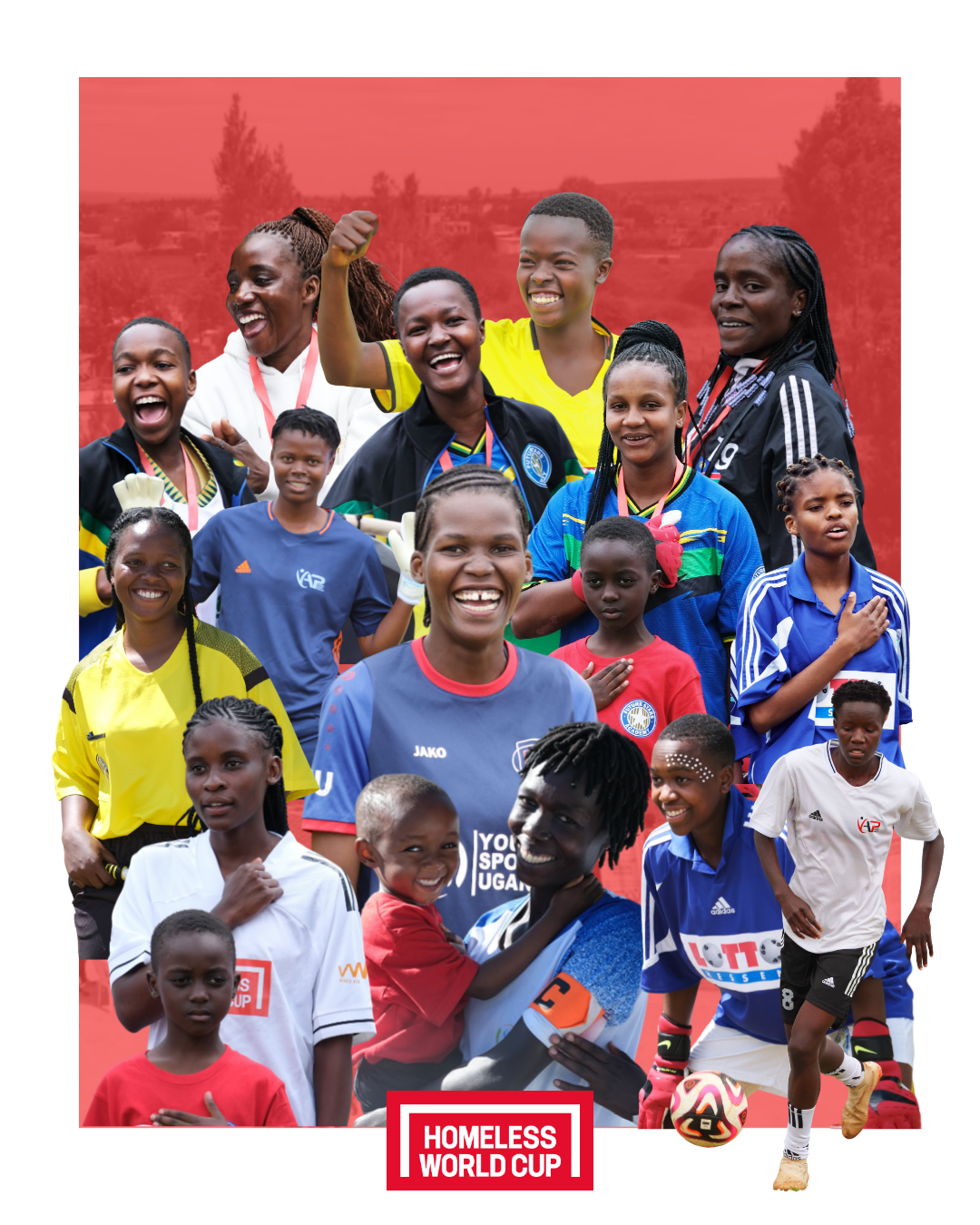
| The two year programme across four nations reached more than 1,500 women and girls and more than 900 men and boys.
By Fiona Crawford
When Nancy Waweru interviewed for her role running a gender-based violence-tackling programme across four countries using football with the Homeless World Cup Foundation while she was also studying psychology, the interviewer asked her if she had time to do it all.
Nancy’s thought was: no, but yes.
“What drove me was passion. Because I said, ‘I know it’s going to take a lot of my time, but I think I want to do this. I really want to do this,’” she explains.
“When I was young, I always wanted to be a counsellor. I remember I would study quite a number of books on counselling and people, like my family, would tease me and say, ‘You’re a family counsellor,’” Nancy says.
She majored in sociology and linguistics at university, concentrating on Swahili, Kenya’s national language. But counselling remained an interest. “As years passed by, I felt that I needed to go back and pursue psychology.”
Having been successful in her job application, for the last two years Nancy has worn two compatible hats. She is Vijana Amani Pamoja’s (VAP) Head of Programmes and until earlier this year was the Regional Hub Manager for the Homeless World Cup’s ‘Football to protect vulnerable women from exploitation’ programme. The latter was the one where she was interviewed by Zoë Hopkins, the then International Partnership Manager at the Homeless World Cup Foundation, who was integral to the programme partnership. Nancy now counts her as a work colleague but also friend, and helped Zoe learn some Swahili during her time in the role.
The programme ran from January 2023 until January 2025 in collaboration with the FIFA Foundation and four Homeless World Cup member countries: Nancy’s home country of Kenya, along with Tanzania, Zambia and Zimbabwe. The programme shared knowledge about, and implemented a football-based curriculum on how to, tackle gender-based violence against girls and women. It also supported mental health.
The programme
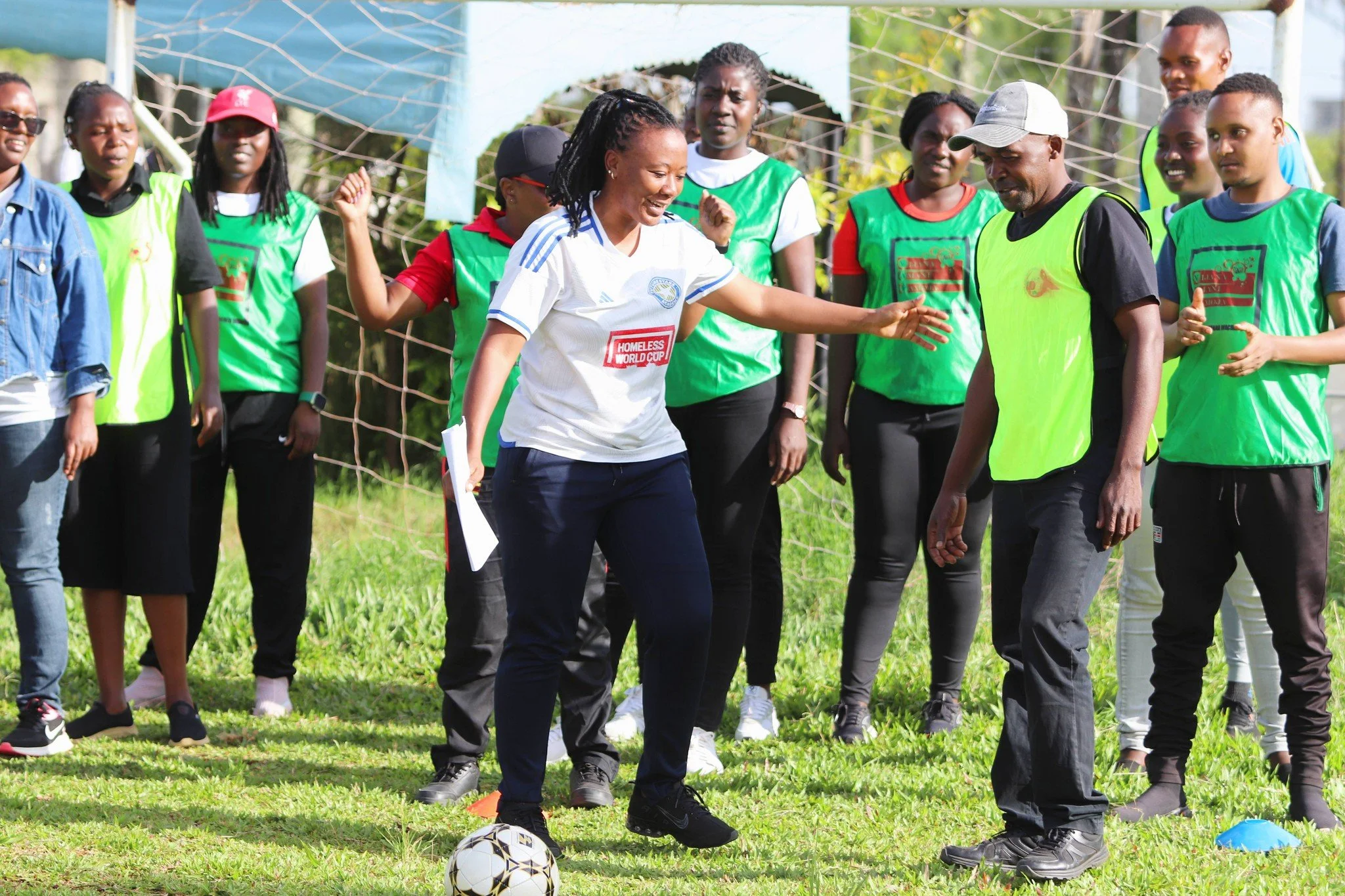
| The programme was delivered in four countries: Kenya, Tanzania, Zambia and Zimbabwe
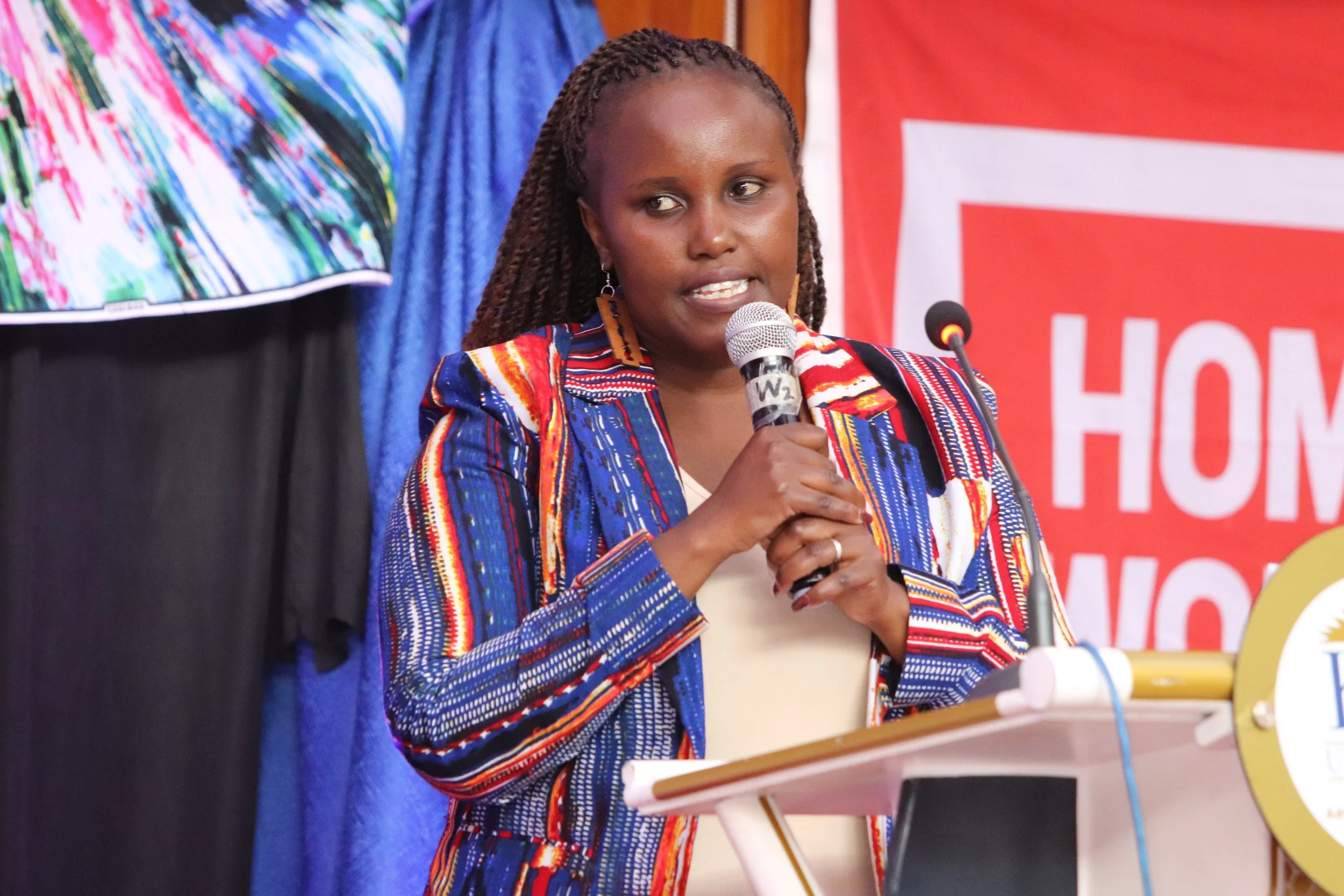
| Nancy Waweru was the Regional Hub Coordinator for the programme
The Homeless World Cup-affiliated programme opportunity came up just a few months after Nancy had started studying psychology. It was too good an opportunity to go past, so Nancy submitted her resume.
She was well qualified, having joined VAP in 2007 and immediately having generated women-specific opportunities. “When I came in, I remember I spoke with the founder and said, ‘Where are the girls?’ Because I didn’t see any.” That marked the start of VAP’s women’s programme ‘Mrembo’, which means ‘beauty’ in Swahili and which aims to the reveal the inner beauty and strength of every woman and girl participating in it. It now supports thousands of girls and women annually.
Nancy and her peer Ann Nduku, who had majored in gender studies, were selected for the HWC programme roles. It was a symbiotic mix.
“This is something that I felt was so timely because I could see it actually converged [with my existing work and study]. Because the project was starting, we were working with survivors, we had an element of mental health. I’m still in school, so I drew a lot of expertise, a lot of knowledge [from my study]. And also my assistant, Ann, who studied gender.”
The programme has helped more than 1,500 girls and women since its inception.
“It opened up a safe space for young women who were predisposed to gender-based violence, and also some who were already survivors, and then just giving them that space to heal and to feel protected. And also, to continue playing football,” Nancy says.
The programme was built around five specific objectives: to create access to safe spaces; to demonstrate women’s leadership in sport, to improve women’s empowerment and economic resilience; to address men’s attitudes and behaviour; and to increase public awareness of the issues around gender-based violence.
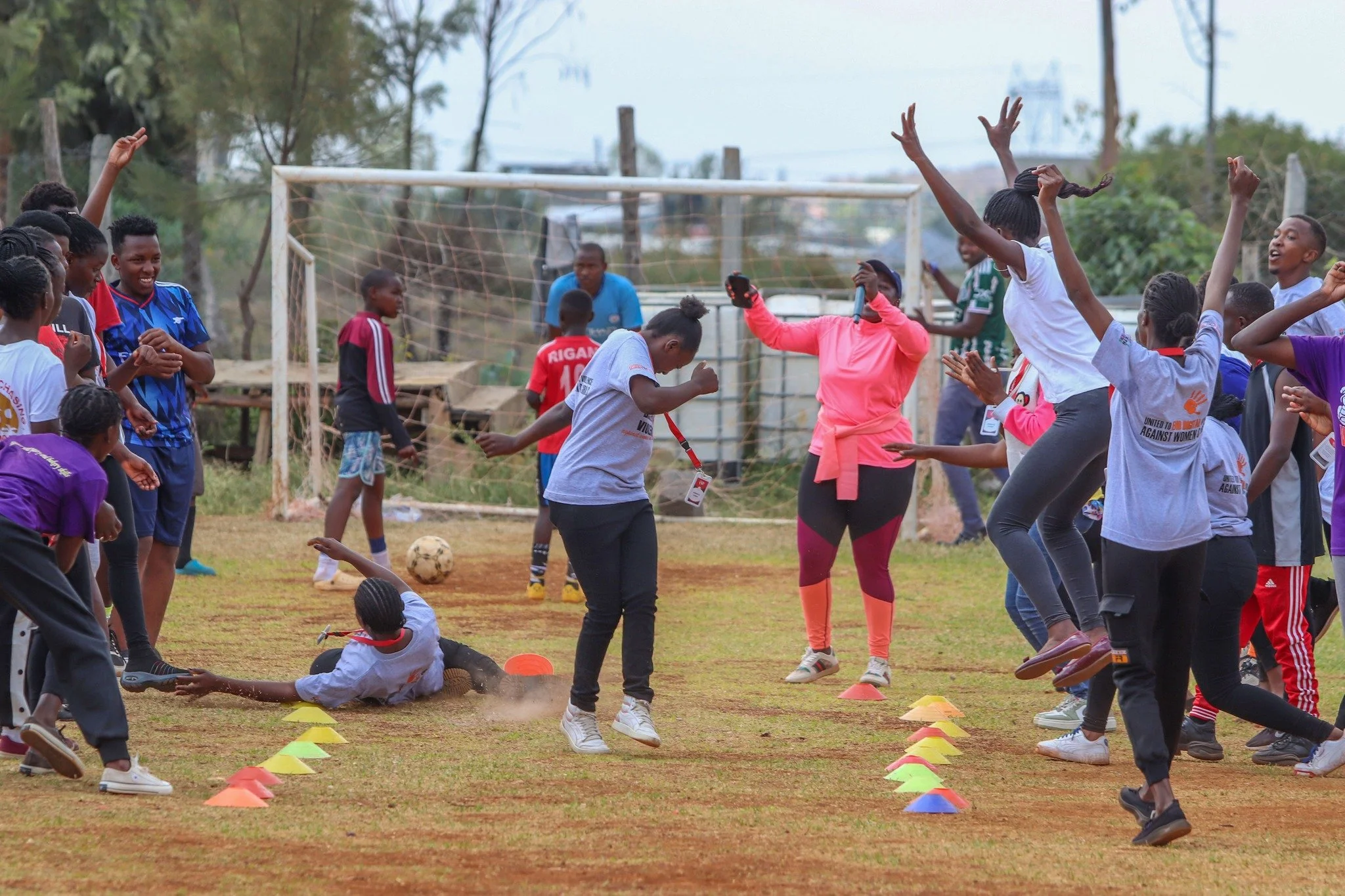
| The programme reached more than 1500 girls and women through its Safe Spaces curriculum.
To achieve it, Nancy and her peers co-designed and tested a tailored curriculum, with the community collaborating at every stage. “We had very positive feedback, but were also cognisant of the fact that there were different pressing issues depending on the context.” For example, they found that Tanzania faced greater number of challenges around genital mutilation; femicide cases were on the rise in Kenya.
While the issues the team were addressing were sobering, they took a strengths-based approach. “Each and every country in its own unique, beautiful way had its strength. When we look at Zambia and Tanzania, they had very structured football academies, so football acted as a natural core pillar around which to base the activities. For that reason, most of the interventions in relation to conducting or implementing the curriculum were done within tournaments and leagues.
“Zimbabwe’s unique livelihood interventions, particularly the financial literacy sessions, played a significant role in their context in promoting financial independence and sustainable livelihoods,” Nancy explains. “Then when you come to Kenya, the aspect of mental health also played a significant role. Maybe I was a bit biased [given I was] studying psych, but we tried as much as possible to strengthen the mental health component,” she says.
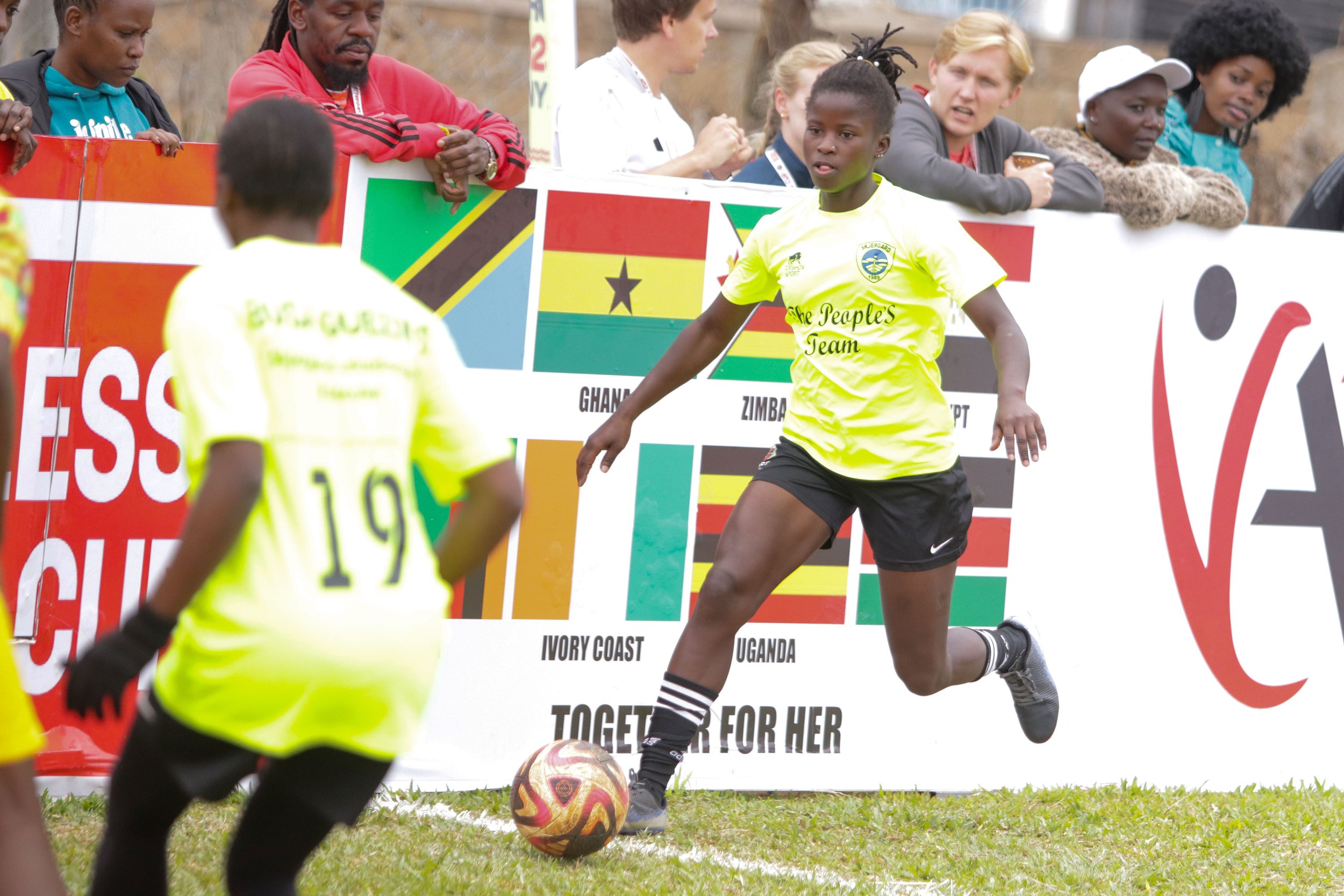
| More than 400 women and girls received mental health support as part of the programme
The numbers speak for themselves, the initial target for people accessing mental health support was 40 women and girls, but more than 400 received psycho-social support as part of the programme.
“The last one, maybe it’s key, is engaging men. Because you cannot work with women and leave men behind.” That includes working with perpetrators to reframe masculinity and ways of operating, what Nancy terms “deconstructing and reconstructing” thinking and behaviour. More than 900 men and boys were reached over the two years, with 99% saying they now had the knowledge to prevent sexual assault and disrupt sexual harassment.
The programme also incorporated micro-financing and training, offering women and girls the opportunity to become financially independent, therefore creating economic autonomy, which could provide an exit strategy and empower women and girls who were financially trapped in abusive relationships.
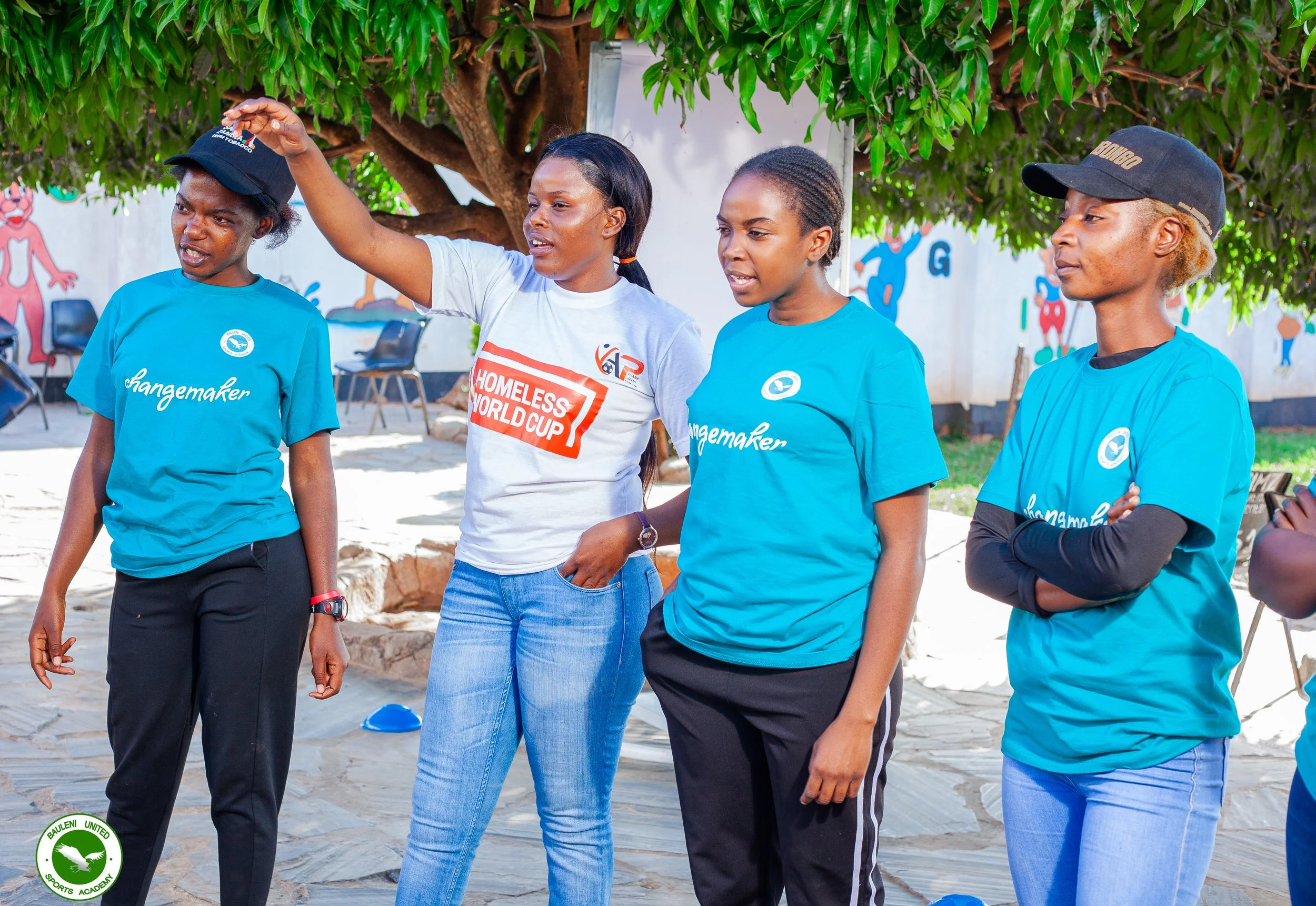
| Women and girls also had access to vocational training and employability skills.
The project has been ambitious in both scope and scale, as it tried to address complex social issues across four countries that remain challenging not just in those countries but worldwide. Nancy was aware that it would take a significant effort and expertise to move the needle on them.
“Of course, I was working in the whole spectrum of gender for a very long time, but narrowing it down to gender-based violence like I did with this project made me also read a lot, research a lot to understand [it better] … Also, it made me very close with survivors of gender-based violence, and also seeing more than ever how important it is to prioritise mental health when working within such projects.”
While it can traditionally be difficult to recruit women to football programmes, that hasn’t been the challenge Nancy and her team have had. If anything, they’ve been oversubscribed. “One girl, will tell another girl …”
That’s been aided by the fact that the programme is authentically community-based. “I personally grew up where some of the women live, we work with coaches who are already in the community … so it becomes very easy to recruit. We also work with community centres, community health promoters, schools …”
They’ve become a trusted support and information source, too.
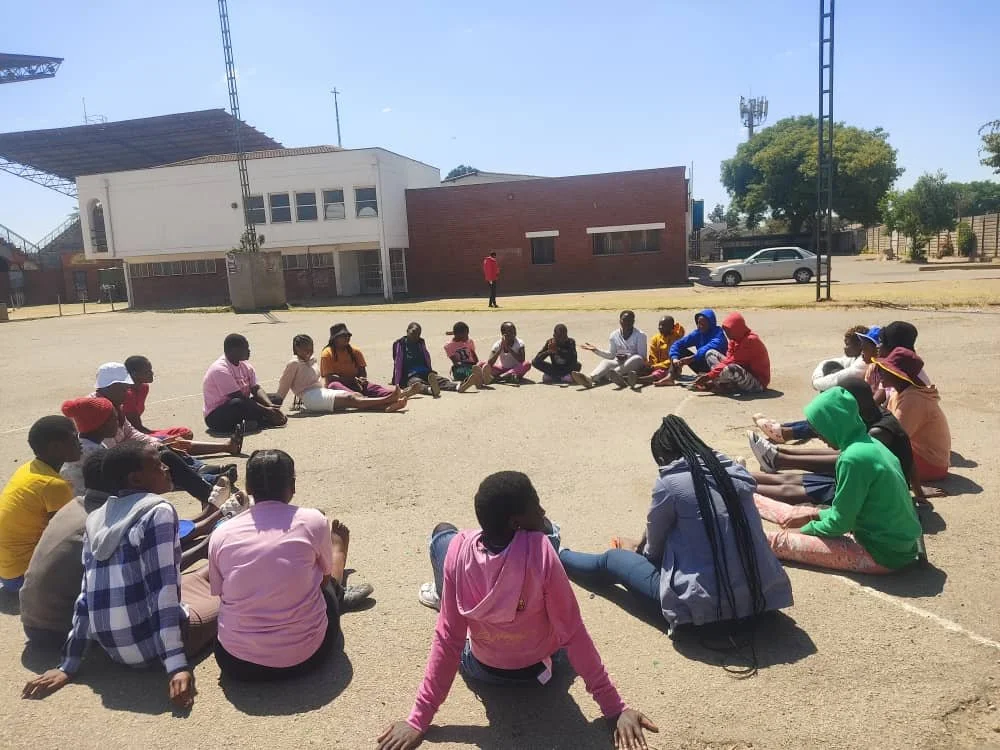
“We get calls every time if there are cases of gender-based violence, people are coming in and saying, ‘We know that you’re an organisation that supports women. There’s a girl who’s been violated. What can we do? How can we support them?’”
The team has taken an evidence-based approach to planning and evaluating the programme. They’ve used qualitative and quantitative tools such as surveys, case studies, observation, and focus groups and conducted pre- and post-participation research to assess the knowledge of and awareness around gender-based violence, including cultural norms, what happens to the survivors, and their understanding of how they can access physical and mental health services, as well as justice.
The results have exceeded expectations.
“I was actually shocked because I didn’t expect the level of impact that the project has created … because at some point I was nervous as a person, as a leader. I was like, How are we going to create a project that would suit all the four countries? How are we going to come up with a curriculum that will speak to the needs of a girl in Tanzania, in Kenya and Zambia and Zimbabwe? I think it was just disturbing my mind, but when we did the evaluation, I think I was really impressed and also shocked as well.”
It elevated the team’s advocacy opportunities and widened their network and influence. “Now the government looks at us differently,” Nancy explains. “The government saw us as taking lead in the fight of gender-based violence. I remember at the time I was called into a committee to draw up guidelines on technology-facilitated gender-based violence.”
The tournament
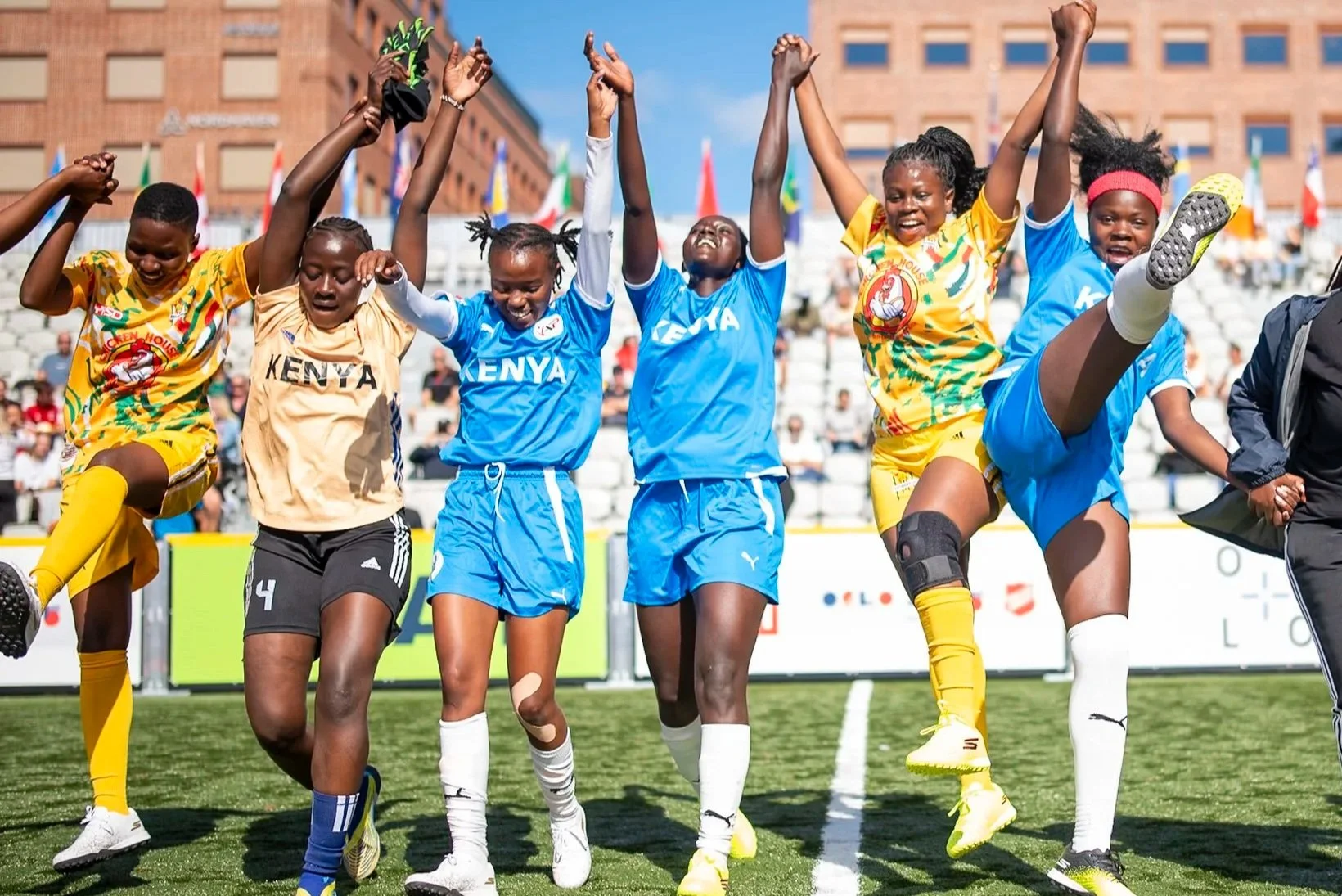
| Kenya and Zimbabwe celebrate together at the Oslo 2025 Homeless World Cup. Image: Donnie Nicholson
Nancy and her peers have been able to extend their impact, bringing teams to the 2024 and 2025 Homeless World Cups in Seoul and Oslo, respectively. There, she’s been joined by Kenyan coach Everlyne Ochieng.
The Kenyan team, which comprised players from low-socioeconomic circumstances such as settlements as well as gender-based violence survivors and players who were grappling with mental ill health, impressed on and off the pitch. Nancy and the players were able to speak about their programme during the Cities Ending Homeless conference. The team also progressed deep into the tournament, nearly unseating Mexico, which had won the tournament a record nine times.
“It’s quite motivating, because it’s a thematic tournament, as much as, yes, it’s competitive, but it has a theme of giving hope to players, trying to learn through the tournament how you can give hope to others,” Everlyne explains of the Homeless World Cup experience.
“The main message is about self-belief, focus, assistance, patience, giving yourself hope, trying to remind them that they have abilities and they should make use of these abilities, because we have different abilities. As much as we are players, we have different strengths, so we are in the same basket, but the basket can be filled with different kind of food. So you should just make use of the skill you have, the potential you have, the strength you have to fit in the goal of the tournament’s theme about hope.”
Nancy feels similarly.
“Just seeing what it … the firsthand experience, what that really meant to the girls. I remember they were leaving, they were doing this for themselves, for their country. They had a lot of pride. Just looking at their mental health journey ... I can remember it very vividly. Seeing all the girls not winning, especially with Oslo, losing to Mexico [to narrowly miss out on playing in the final], and also seeing them bouncing back and saying that it’s ok, and also coming back with pride with their heads high …”
Despite the programme coming to an end, the legacy of the project remains with more girls and women moving into work and gaining financial independence. Nancy can confirm that there are some things that are worth being extremely busy for.
“The stories of change. That is what keeps me going,” Nancy explains.
Are you interested in helping us to run more programmes like Play For Her?
Or are you interested in helping the programme to continue and support even more people.
Get in touch with the Homeless World Cup - we would love to hear from you.