Creating Greater Change and Investing In Individuals
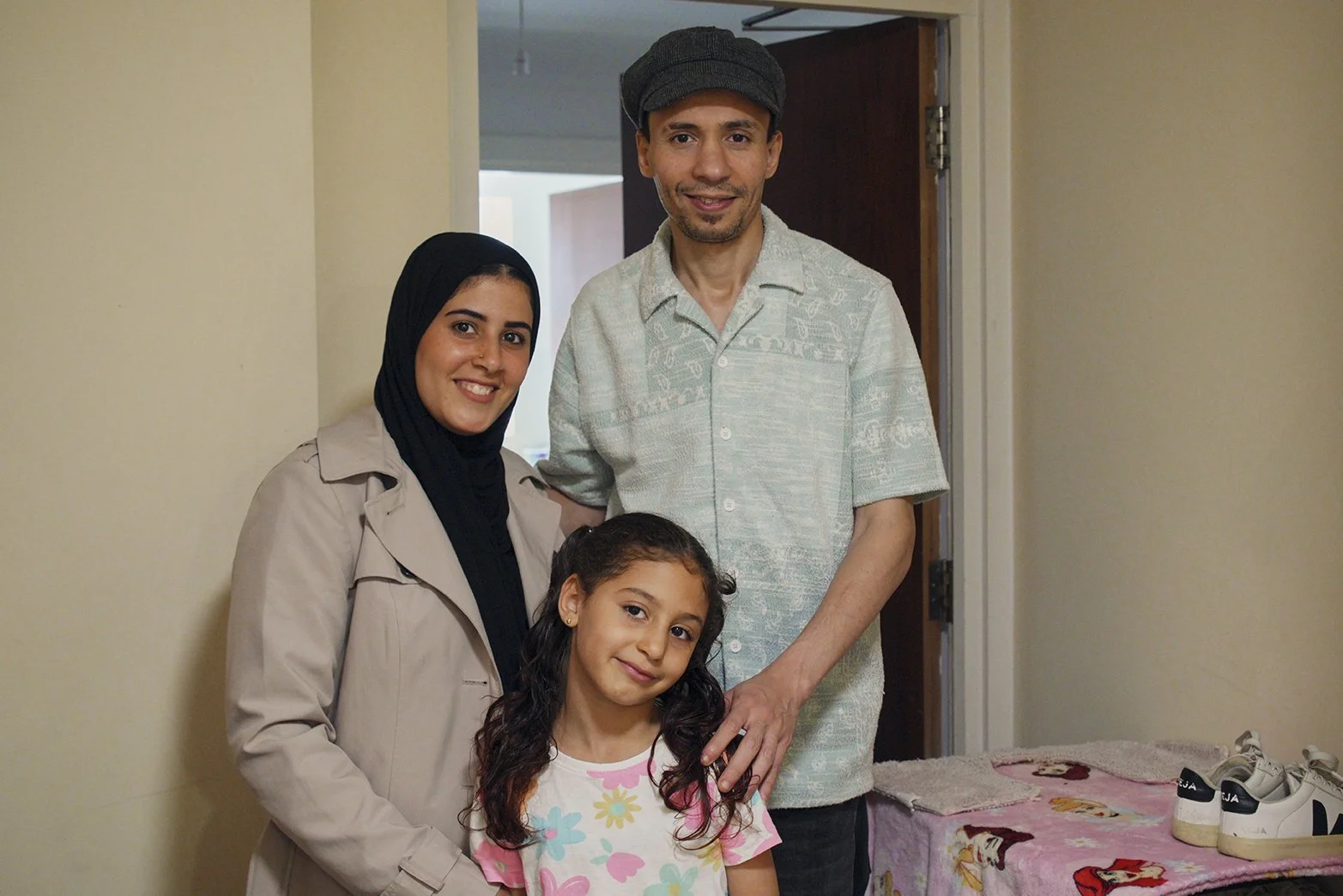
Image credit: Centre for Homelessness Impact / Amy Ryall
While studying at Oxford University, two students, Alex and Jonathan, became deeply engaged with one of society’s most urgent and complex challenges: homelessness. Through their growing involvement in the community, they realised that financial barriers were consistently preventing individuals from making lasting progress in the transition out of homelessness.
The journey out of homelessness, much like the issue itself, is often oversimplified and stereo-typed. Common narratives tend to focus on securing stable employment or accessing long term housing. While these are essential steps, many often overlook the many hidden costs that can quietly stand in the way of stability. Expenses such as obtaining a driver’s license, furnishing a new apartment, or purchasing groceries are often the missing pieces that make lasting change possible. Without support for these basic yet important needs, the path to independence can remain just out of reach.
This insight became the catalyst for what is now known as Greater Change, a platform created to provide direct financial support to people experiencing homelessness, empowering them to overcome obstacles and move toward long-term stability.
Solutions to homelessness require not only organised and scalable systems, but also creativity and fresh, out-of-the-box thinking. Greater Change embodies this approach. Beyond serving as a funding platform, it operates as a model that channels donations into long-term support plans tailored to the client’s unique goals and needs.
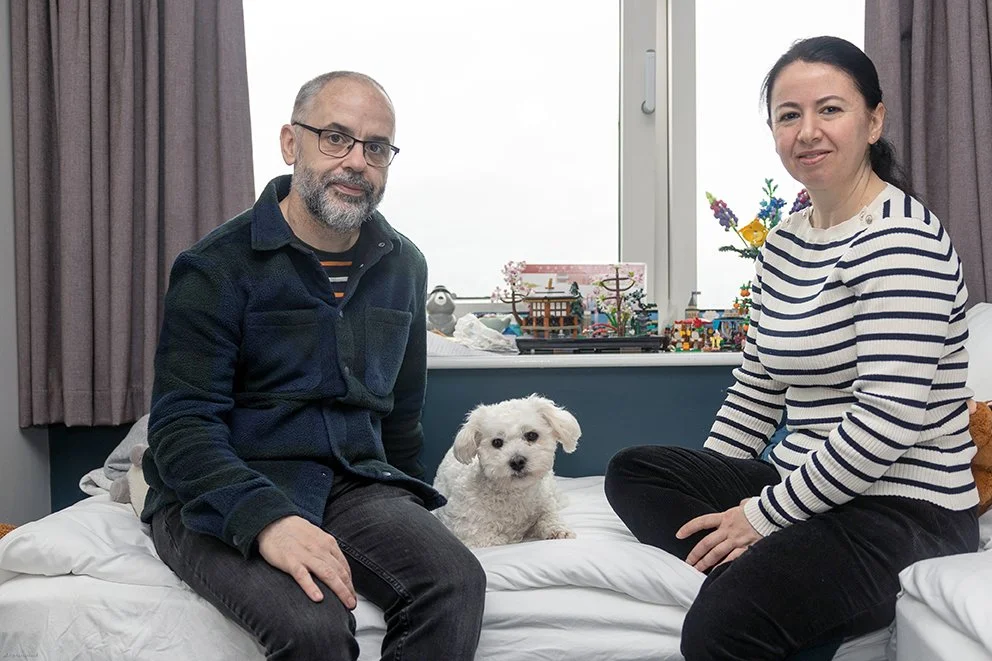
Image credit: Centre for Homelessness Impact / Jeff Hubbard
In our conversation with Greater Change Co-founder Jonathan Tan, we learned that their model stands out by providing grants for each client’s specific needs, from pots and pans to rent deposits. The Greater Change funding comes from a range of sources including individual donations, philanthropy, grant-making bodies, local councils and corporate partnerships.
Unlike traditional systems that often require individuals to meet strict criteria and limit how funds can be spent, Greater Change takes a more flexible, case-by-case approach. This allows support to be tailored to real and urgent needs, removing unnecessary barriers and enabling individuals to make tangible progress.
To provide support, Greater Change partner with local homelessness charities that have strong existing relationships with their clients. Clients work with their support workers to apply for Greater Change funding. Once a funding goal is agreed on, Greater Change sends the money to the partner charity, which then buys the item or service directly.
Since its launch in 2018, the organization has supported more than 1,500 individuals. Of those, 86 percent have successfully moved into stable housing.
These outcomes are not only life-changing for the individuals involved but also bring measurable monetary benefits to society. This model saves the public sector an average of £35,000 per person that is currently being spent on short term solutions such as temporary housing, emergency healthcare, and crisis intervention services.
What makes the data particularly compelling is that it demonstrates that investing in the specific areas of well-being for individuals, through models like Greater Change, ultimately strengthens the economy. Through the provision of money through the Greater Change model the clients are empowered to pursue stability and, in turn, contribute to the economy through sustained employment and participation.
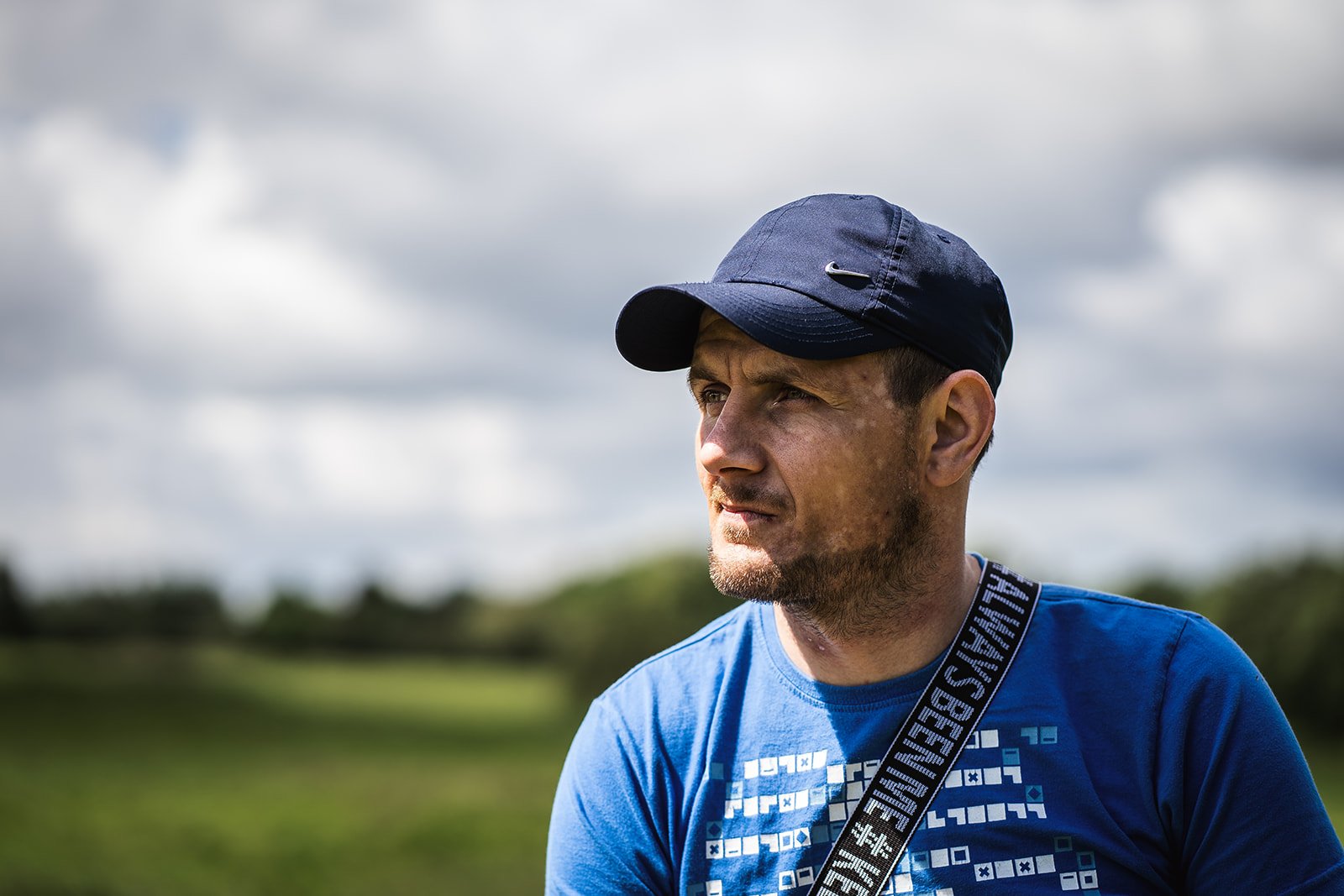
Image credit: Centre for Homelessness Impact / Christopher James Hall Foundation
Beyond the Data
While the numbers highlight the tangible impact of Greater Change, the true heart of its work lies beyond the data in the stories of the individuals whose lives have been impacted. Katie O’Connor, Greater Change’s Impact Research and Implementation Lead, shared the story of a client who received support to furnish her apartment and turn it into a home. This seemingly simple step gave her a stable environment to reconnect with her family and created the space she needed to focus on her sobriety.
What can appear as small often has knock-on effects that we cannot predict,” Katie reflected. Often these small changes become the key to unlocking freedom and opportunities.
Scalability on a Global Stage
Homelessness is a global issue, and effective solutions are often measured by their ability to scale across different regions and contexts. According to Jonathan, the Greater Change model is uniquely positioned for international adoption. Rather than requiring significant policy overhauls, the model simply calls for a shift in how funding eligibility is determined and more importantly, in how that funding can be used.
For example, individuals transitioning out of prison are often provided with temporary accommodation for just 84 days. While intended as a transitional period, less than three months is rarely enough time to secure employment, build savings, and establish a stable foundation particularly for those with a criminal record. As a result, many are thrust back into unstable living conditions without adequate support. Greater Change addresses this gap by reviewing each case individually and providing funding to extend this critical period, giving people the time they need to truly rebuild.
When people are given the dignity of choice, they often make the right decisions, especially when they have the support of case workers and support networks.” Jonathan said.
This approach is already changing lives, and Greater Change hopes it will inspire further progress in how homelessness is addressed in the UK and beyond.
Words: Brandon Green
Images: Centre for Homelessness Impact / Christopher James Hall Foundation / Amy Ryall / Jeff Hubbard