
WHAT CITIES AROUND THE WORLD ARE TEACHING US ABOUT ENDING HOMELESSNESS
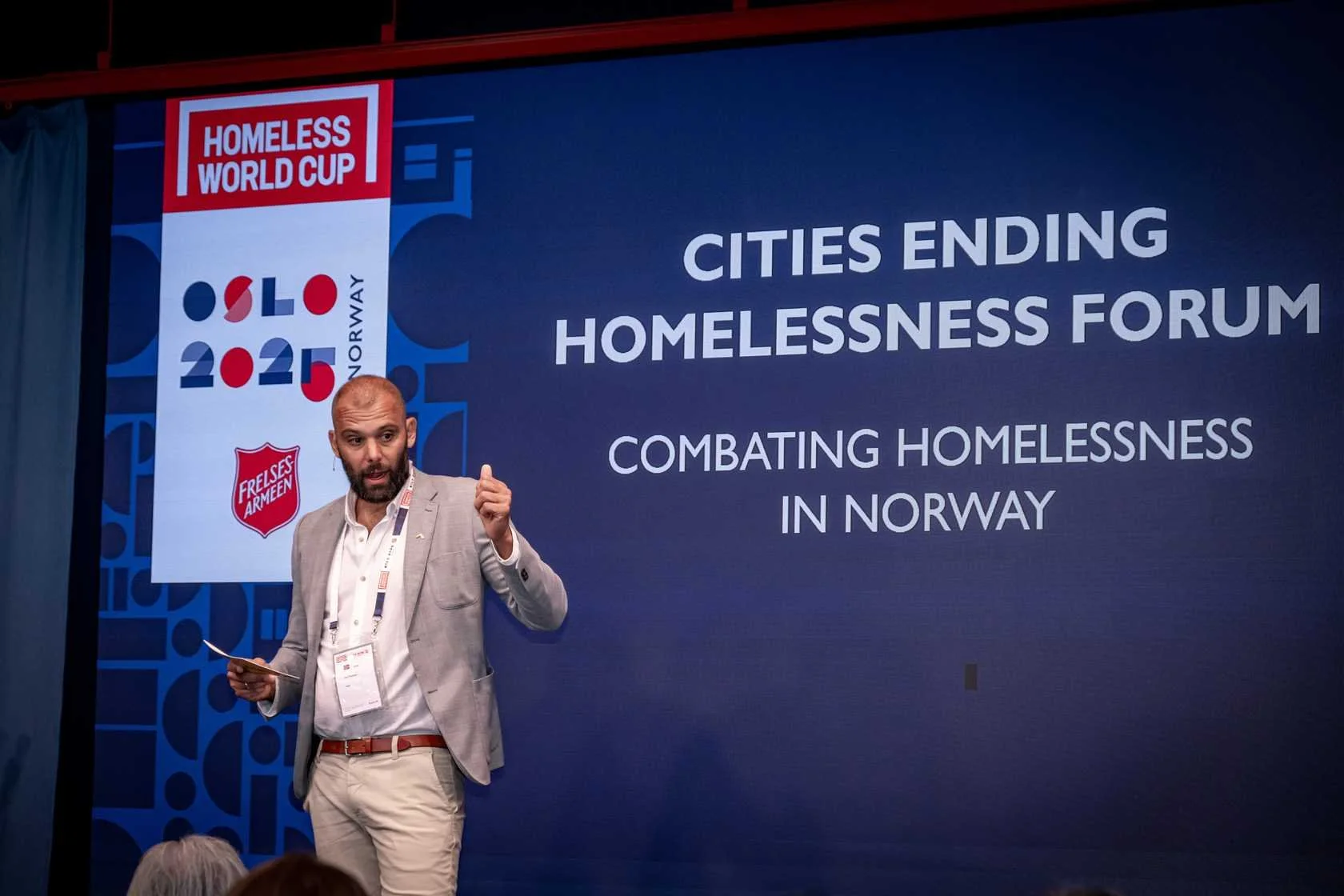
At the Oslo 2025 Homeless World Cup, the Cities Ending Homelessness Forum took place across every day of the tournament, our biggest CEH event to date.
Homelessness is one of the defining social challenges of our time.
More than 300 million people worldwide are estimated to be without a safe, secure place to call home and 2.8 billion people currently live in inadequate housing.
The scale of the issue can feel overwhelming but across cities around the world, practical, people-centred solutions are already working.
The Cities Ending Homelessness (CEH) 2025 Report written by the Homeless World Cup Foundation brings together insights, case studies and lived experience shared through the Cities Ending Homelessness Forums held in Seoul (2024), Edinburgh (2025) and Oslo (2025). Many of the case studies in the report are independent of the Forums.
Rather than focusing on the problem alone, the report captures what cities, organisations and communities are doing right and how those approaches can be adapted elsewhere.
As Mel Young, Co-Founder and President of the Homeless World Cup Foundation, explains:
“Homelessness is complex, but it isn’t unsolvable. Around the world, people are already proving that with the right approach that is rooted in dignity, trust and collaboration - real change is possible.”

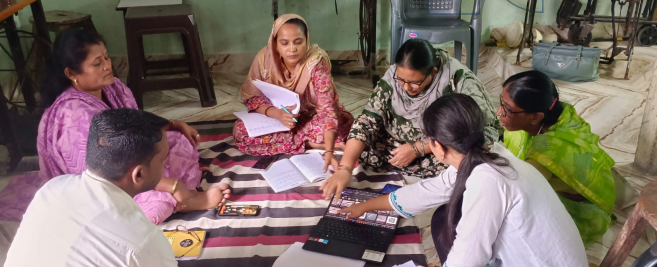
Hearing from those with lived experience: At the CEH Forum in Oslo, Mel Young chaired a conversation with former and current Homeless World Cup Players
FROM GLOBAL CRISIS TO LOCAL SOLUTIONS
One of the core messages of the CEH 2025 Report is simple: change happens locally.
While homelessness is a global issue, solutions must be designed and delivered at city level, shaped by local context and driven by collaboration across sectors.
The Cities Ending Homelessness Forums held since 2023 by the Homeless World Cup Foundation have brought together policymakers, practitioners, researchers, social innovators and people with lived experience of homelessness.
The Edinburgh 2025 Cities Ending Homelessness Forum held in July last year marked the first CEH event held independently of a Homeless World Cup tournament, convening over 60 stakeholders at the City Chambers in Scotland’s capital city to explore solutions tailored to the city and wider Scottish context.
Against a backdrop of rising homelessness and pressure on temporary accommodation, the Forum brought together local government, academics, third-sector organisations, people with lived experience and international contributors.
The Oslo 2025 Cities Ending Homelessness Forum provided a powerful snapshot of the initiative’s ethos in action, bringing together voices from academia, policy, civil society and lived experience in the host city of the 2025 Homeless World Cup. Through panels, presentations and informal exchange, participants explored how housing, health, employment, gender, climate and community are interconnected drivers of homelessness.
This diversity of voices at each CEH Forum is intentional, because no single organisation or sector can address homelessness alone.
“What makes Cities Ending Homelessness different is that it’s not about one organisation having the answers,” says Mel Young.
“It’s about creating a space where cities can learn from each other, share what works and be honest about what doesn’t.”



WHAT WE’RE LEARNING: SOLUTIONS THAT PUT PEOPLE FIRST
Across the CEH 2025 Report, several clear themes emerge. The most effective responses to homelessness are person-centred, flexible and grounded in dignity.
In the UK, Greater Change demonstrates how small, personalised financial grants that are combined with local partnerships can help individuals overcome barriers to housing and stability. By trusting people to decide what support they need most, the model delivers both human impact and long-term savings for public services.
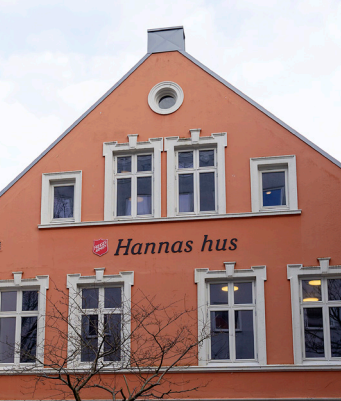
In Bergen, Norway, Hanna’s Hus offers women-only housing designed around safety, dignity and support. The initiative recognises that homelessness affects people differently, and that tailored solutions are essential, particularly for women facing trauma, violence or exploitation.
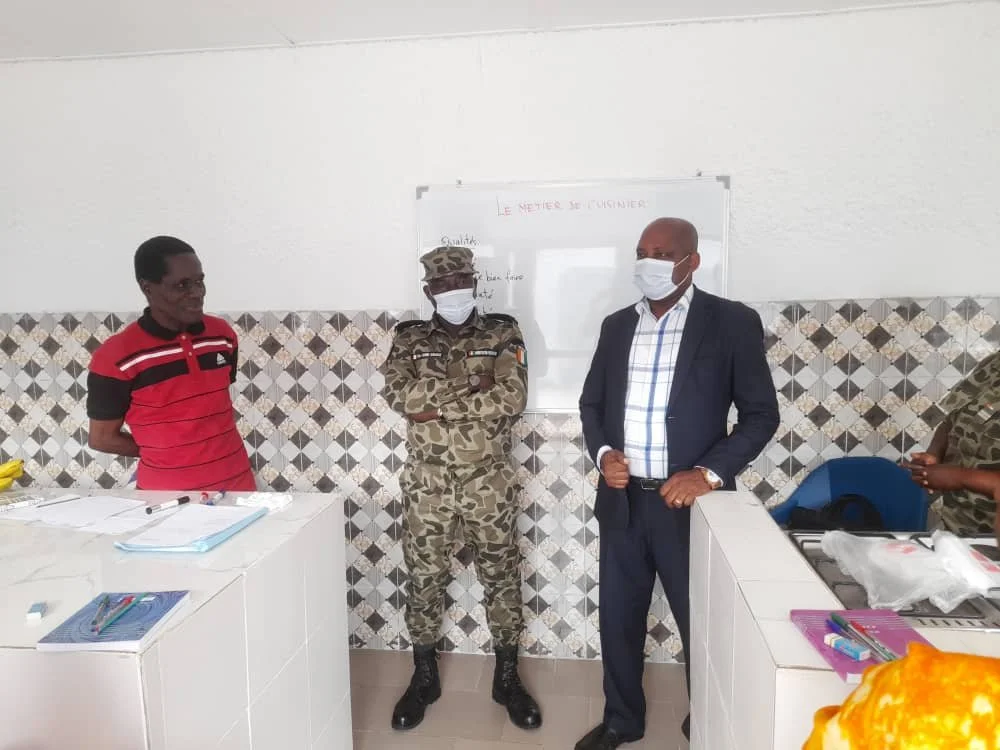
Further afield, Don’t Forget Them (Homeless World Cup Foundation Member Country) in Ivory Coast focuses on employment pathways for people leaving prison, tackling homelessness at a critical point of transition. By providing skills, work and stability, the programme prevents people from falling into cycles of exclusion.
Meanwhile, Street Soccer Mexico (Homeless World Cup Foundation Member Country) shows how sport can be a powerful gateway to support and prevention, engaging thousands of people each year and linking participation to education, health and housing pathways.
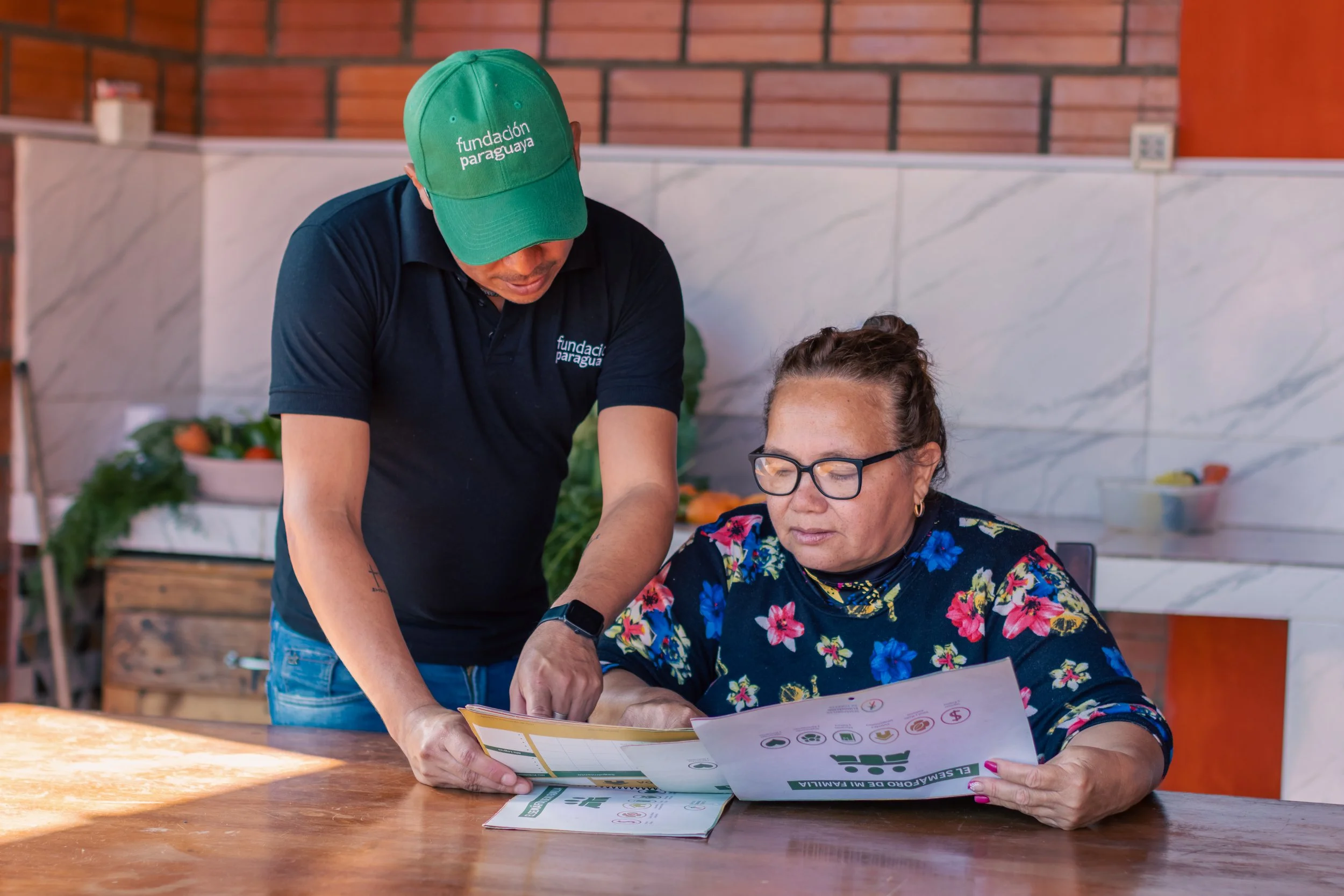
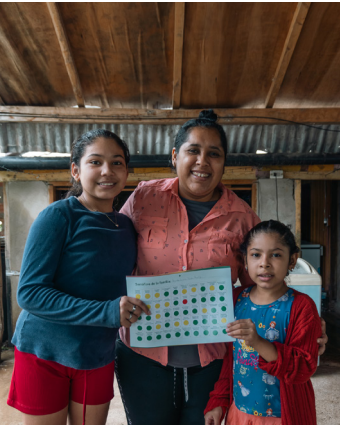
The Poverty Stoplight initiative challenges traditional, income-only definitions of poverty by recognising that deprivation is multidimensional and deeply personal. Emerging from frustration within the microfinance sector, the model empowers families to define and assess their own circumstances across indicators such as housing quality, health, emotional wellbeing, access to services and personal agency.
Roof Over Our Heads highlights the often-overlooked reality that having a roof does not always mean having a safe or adequate home. The initiative focuses on supporting people living in informal often self-built housing to incrementally improve their living conditions using affordable, locally appropriate materials and construction techniques.
“What unites these initiatives isn’t scale or geography” Mel explains:
“It’s the belief that people experiencing homelessness are not problems to be managed but individuals with potential who deserve opportunity.”

The CEH conference took place at Hanyang University at the Seoul 2024 Homeless World Cup
Seoul: Cities Ending Homelessness Forum
In Korea’s capital city, at the Seoul 2024 Homeless World Cup, the CEH event brought together researchers, practitioners and people with lived experience during the first ever tournament in Asia. The event focused on solutions-based dialogue tailored to the Korean context while drawing on international expertise.
Keynote contributions explored person-centred approaches, the importance of real-time data, and the concept of “functional zero” homelessness, while panel discussions examined housing rights, climate change, gender, community-based living and the role of sport in social inclusion. By combining local insight with global models, the conference reinforced the value of cross-sector collaboration and demonstrated how shared learning can accelerate progress toward ending homelessness.
WHY COLLABORATION MATTERS
A recurring insight throughout the CEH 2025 Report is the importance of cross-sector collaboration. Effective responses to homelessness require coordination between housing, health, employment, education, justice and community services, alongside the voices of those with lived experience.
Universities and researchers play a critical role in evaluating impact and sharing evidence. NGOs and social enterprises bring innovation and trust. City leaders provide policy frameworks and resources. When these groups work together, solutions become more sustainable and scalable.
“No city can end homelessness in isolation,” says Mel Young. “But when people share knowledge and work together, progress accelerates. That’s the power of this network.”
CHANGING PERCEPTIONS, NOT JUST POLICIES
Beyond practical interventions, Cities Ending Homelessness is also about changing how homelessness is understood. Too often, homelessness is reduced to statistics or stereotypes.
The Forums we hold each year alongside the tournament and regionally highlight the importance of human stories in reshaping public attitudes and political will.
“If we want better policies, we need better understanding,” Mel Young reflects.
“When perceptions change, possibilities open up for individuals and for cities.”








A SHARED INVITATION TO CITIES EVERYWHERE
The Cities Ending Homelessness Report 2025 is an invitation to learn, to adapt and to act.
Every city is different, however the principles highlighted throughout the report: dignity, trust, collaboration and local leadership are universal.
“Ending homelessness isn’t about finding a single solution,” Mel Young concludes.
“It’s about committing to shared learning, sustained action and the belief that change is possible. Cities Ending Homelessness exists to support that journey and we are looking forward to our CEH Forum in Mexico City already.”
Read the full Cities Ending Homelessness 2025 Report and explore how people are turning ideas into action.