Roof Over Our Heads – Concept to Reality
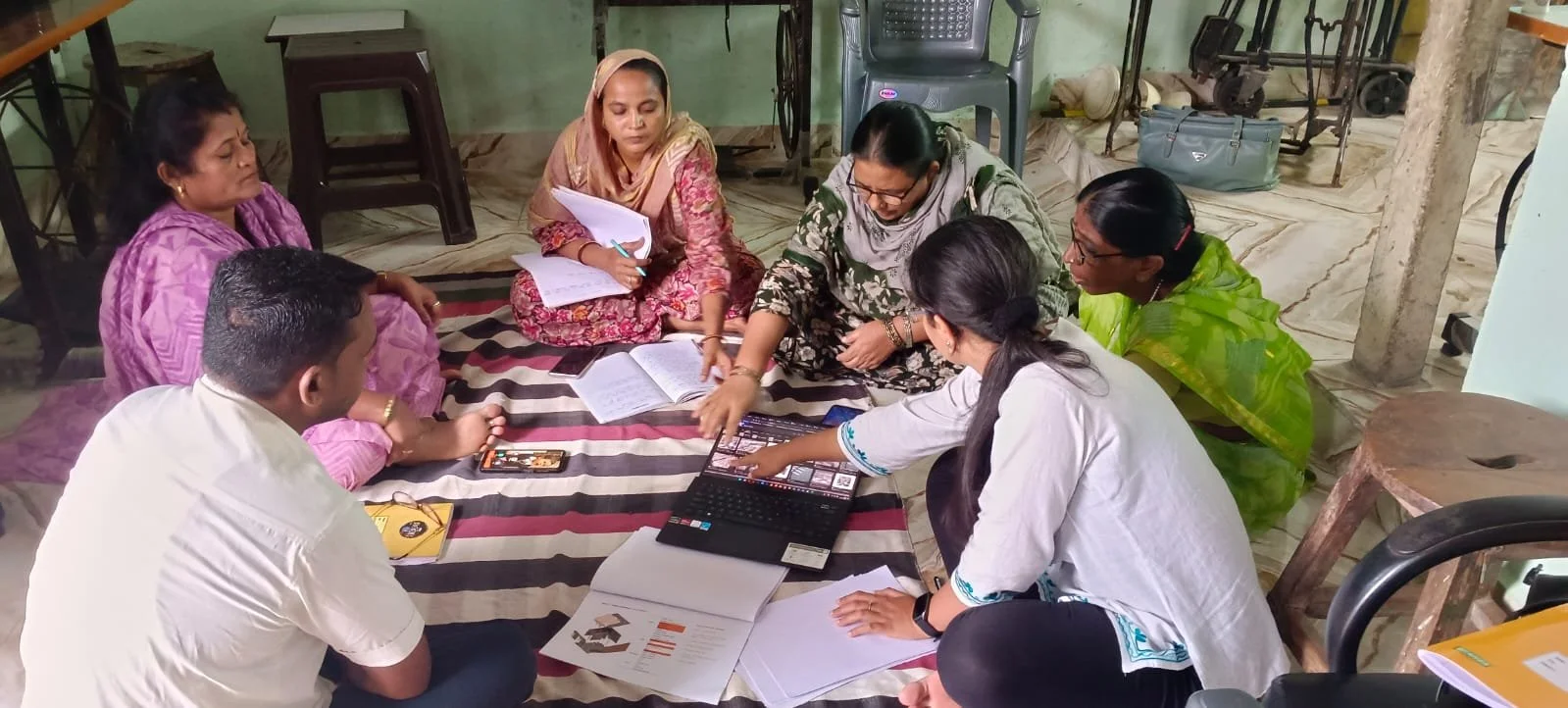
Image credit: Roof Over Our Heads
Is ‘homelessness’ just ‘houselessness’ by another name? There would be a resounding ‘no’ from Sheela Patel, Founder of SPARC (the Society for the Promotion of Area Resource Centres) and Global Ambassador for Race to Resilience (RtR)) and Smruti Jukur (Programme Manager of SPARC and ROOH Campaign).
For many, the well-used phrase ‘roof over our heads’ connotes security, safety, shelter – but millions of people living informally and invisibly, in India and globally, live with the constant threat of eviction, demolition or a climate disaster sweeping that away.
Led by SPARC, “ROOH - Roof Over Our Heads is a campaign, that envisions informing self-build, self-constructed and self-financed survival homes to resilient homes that are, affordable and thereby improving public infrastructure to urban residents, particularly those living and working in informality.”
Informal Housing and the Politics of Tenure
Informal housing (sometimes known as slum housing or illegal settlements) is one definition of homelessness in India. The residents don’t have ‘tenure’, meaning they don’t have legal rights to live there and often do not have basic infrastructure and services.
“what’s been happening worldwide, and what I see in India, where I live is that people find jobs, but they never find a place to stay that is secure. So, homelessness can be interpreted in different ways. It can be the lack of a legal address, or it could be that you just don’t have a roof over your head at all.”
Sheela, an internationally recognised housing activist championing informality, has worked with communities living informally for years, helping them to advocate for their rights. She explains that the number of people who have won tenure is sizable, but the issue is so large that in Mumbai alone (a population of 12 million), only 15% of those living informally have received the right to live in the house they built or rent. Approximately 50-60% of the city lives in informal settlements.
The team at SPARC realised that tenure is not so much an issue of the planning process as it is political, giving examples of polices introduced by political parties that favour some over others.
“All this actually goes to say that homelessness is a political process. Boundaries are political
and solutions are political, and therefore the approach of research of all kinds of investment which are based on legalese are actually quite dysfunctional.”
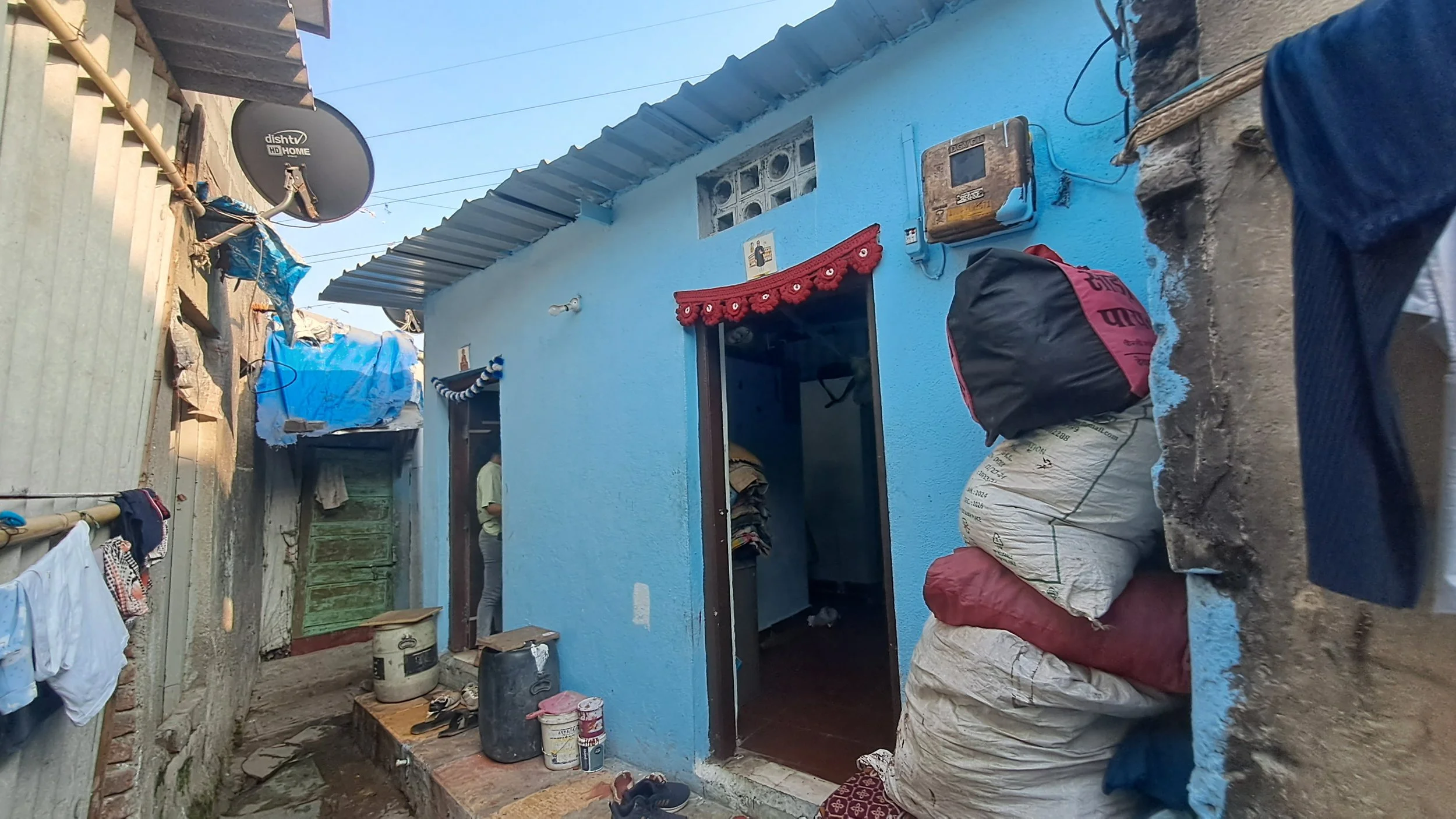
Image credit: Roof Over Our Heads
Empowerment, Not Charity
The ROOH campaign, a collaborative global collective around the issue of poor habitat in the face of climate stress, is an idea that pushes the boundaries of ambition while remaining deeply grounded in realism and practicality. Just like the name suggests, this initiative aims to make shelters secure, with a particular focus on engaging women and their families. But none of this is a charitable handout, it’s a community-based and community-informed initiative that empowers families and individuals to improve their own housing standards through education on good practice and effective materials. Each volunteer household receives tailored support from a ROOH mentor to improve their own house or shelter at a speed that accommodates their budget.
The options are designed on what people can afford because this is not charity. You can’t transform what would constitute the housing stock of a billion people through charity.” This ethos is based on years of SPARC advocating to mayors and government, only to face the reality that poor people are the ones that will make the “maximum investment in their habitat themselves.”
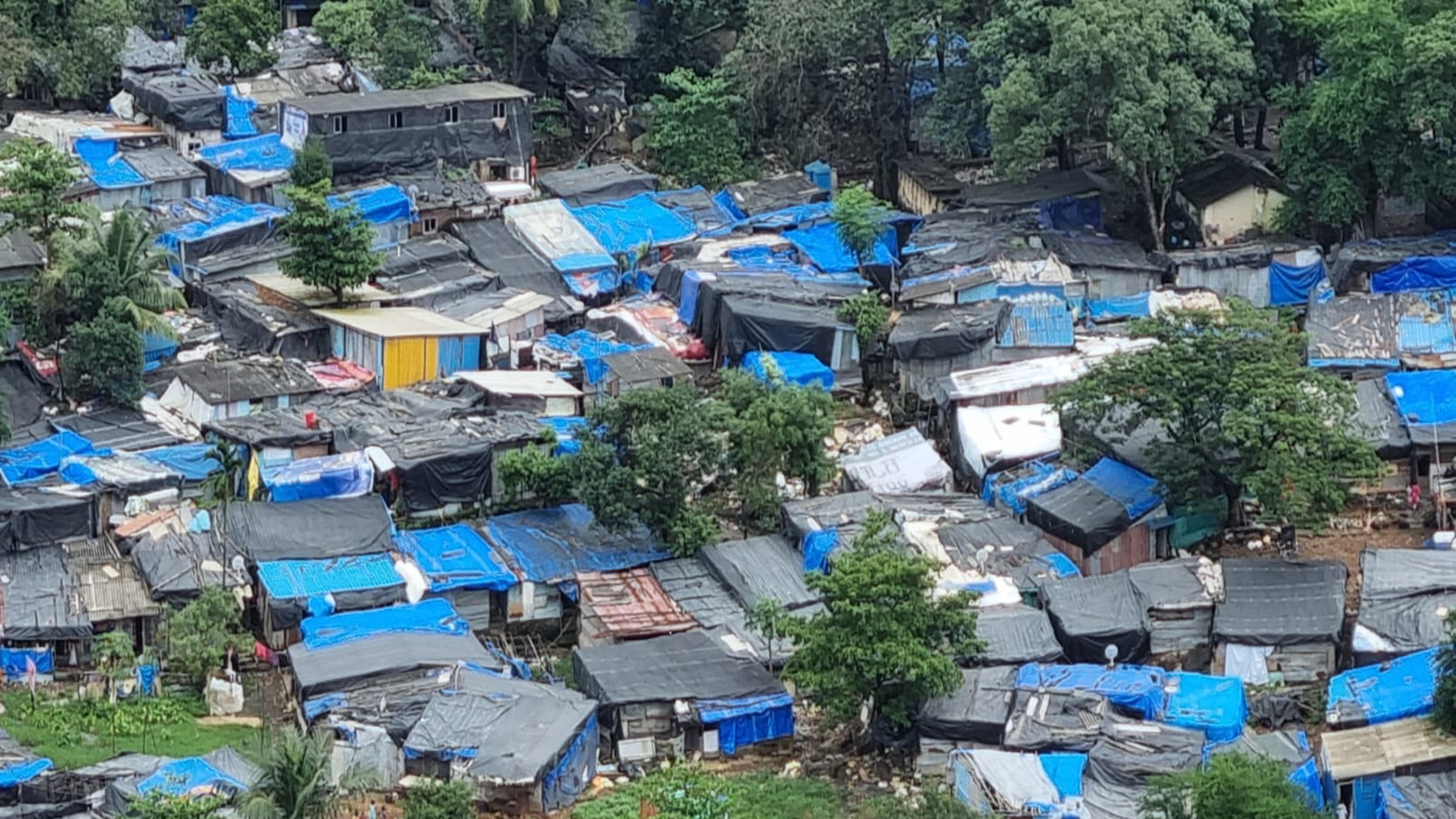
Image credit: Roof Over Our Heads
Climate Change - Challenges and a New Focus
During covid Sheela found a study, conducted in Asia which showed that over 90% of the people who live informally design, construct and finance their own homes.
“They have some form of a structure in which they live. It could be a very small shed. It could be a much larger home, but they have a place to say they live” but it is illegal. “They live there invisibly. But they live in ‘homes’. Those homes can be things they’ve built themselves, or they could be homes that somebody rents to them.”
Entire populations of areas can be considered homeless because their houses are inadequate, unhealthy and unsafe – built only with materials they can afford or find. This begins a process of repair and refurbishment each year, with the hope of upgrading their materials incrementally – again that they can buy second hand or find - or improving the design based on their observations of others’ houses. Despite the improvements the houses are not adequate and often pose a serious risk to the health and safety of the occupants – from increased fire risk to a lack of proper flooring leading to illness.
SPARC’s definition of an adequate home has also developed over time with an increased focus on adaptation to climate change, which requires houses to be more robust.
“And what climate change has done is that with extreme weather of heat that is sometimes 10 degrees Celsius higher than it was ever before, or cyclonic winds that never happened before, or torrential rains. All these have made these homes, even doubly or triply vulnerable than they were before.”
This is where SPARC decided to collate and share the collective learning of the communities who are constantly problem-solving to improve their homes. Sheela explained that they realised they “should start understanding the implications of climate change on people’s habitat because we work in the area of habitat, you know, housing, infrastructure, urban.” And so, they began assessments called ROOH house resilience index.
“What we try to do is to work with communities, especially women in neighbourhoods that are illegal and extremely vulnerable. To understand the logic of how and why they built the house that they have. How do we identify the smart features? How do we identify the vulnerable features? And how do we help these households and these women to understand the vulnerability of that home to extreme weather.”
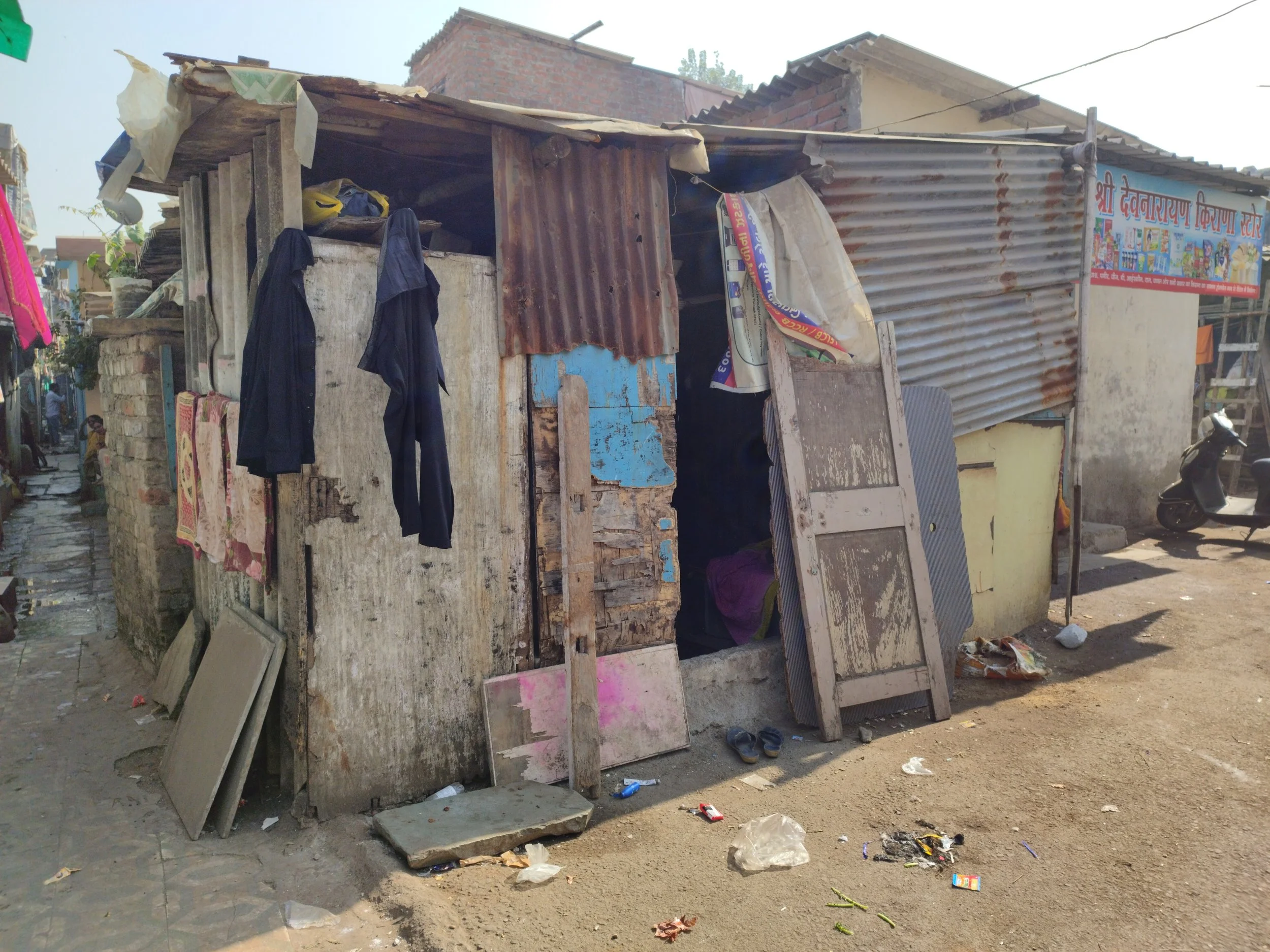
Image credit: Roof Over Our Heads
How does it work?
“The whole idea is that our team in Roof Over Our Heads, who are both technical specialists and professionals, work locally with the community women collectively and individually.” They visit community spaces so families can volunteer to take part and together they identify every material, technique and financial investment that has gone into the life of their house, how the design was conceived and how it was constructed. They also consider how the household budgeted to afford the materials and construction, what sources the money came from, how long the house took to construct and more. The analysis includes the needs and goals of the residents, creating a scale of requirements through to non-essential features to aspire to. The professionals then educate them about the science and technical expertise that they bring to the programme. It’s vital to blend all these elements for a tailored plan that helps provide solutions for the family but will also provide inspiration to others through the collective ROOH index. The index breaks down the materials available, construction method and required climate adaptations within the vicinity of the ‘research lab’ which range from Mumbai to Kenya and beyond.
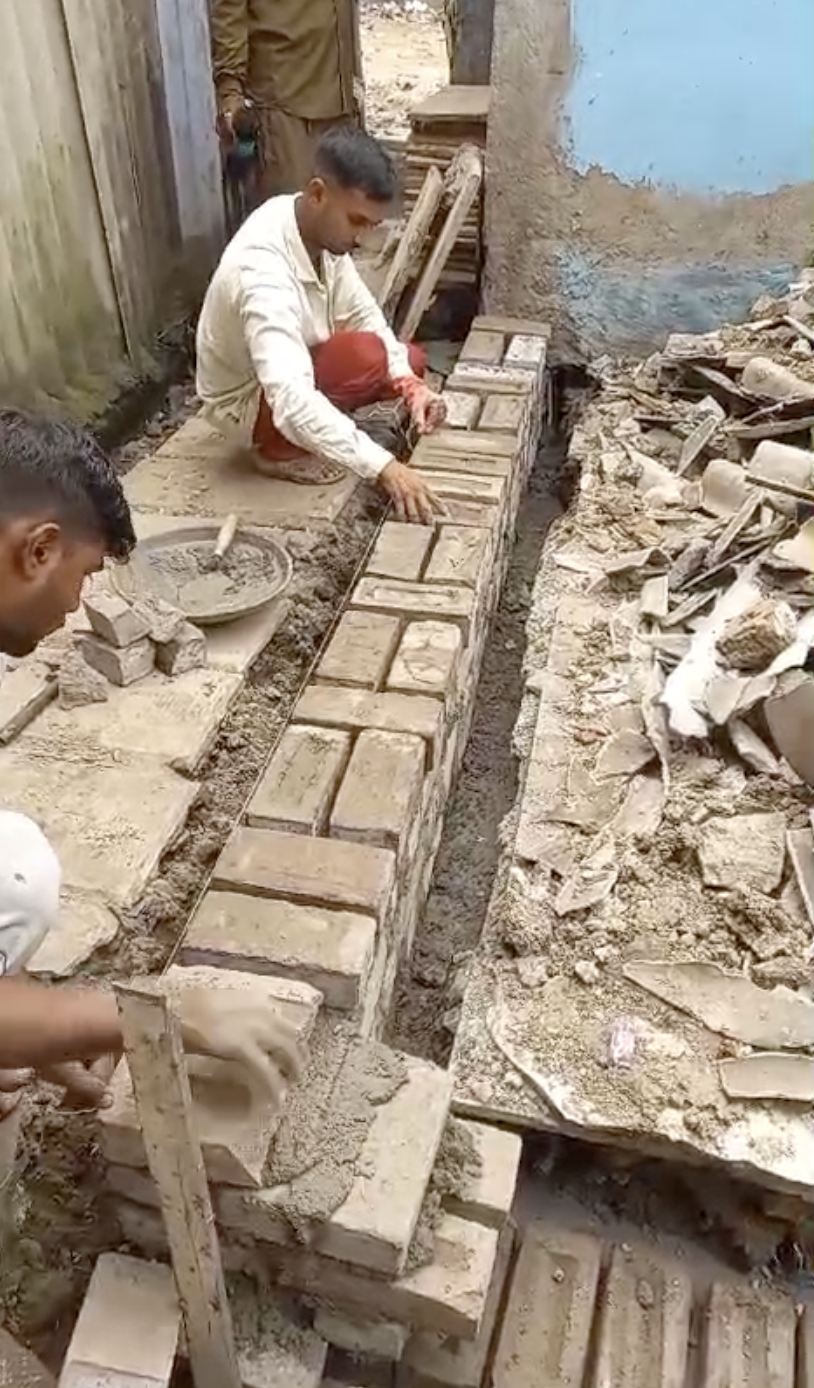
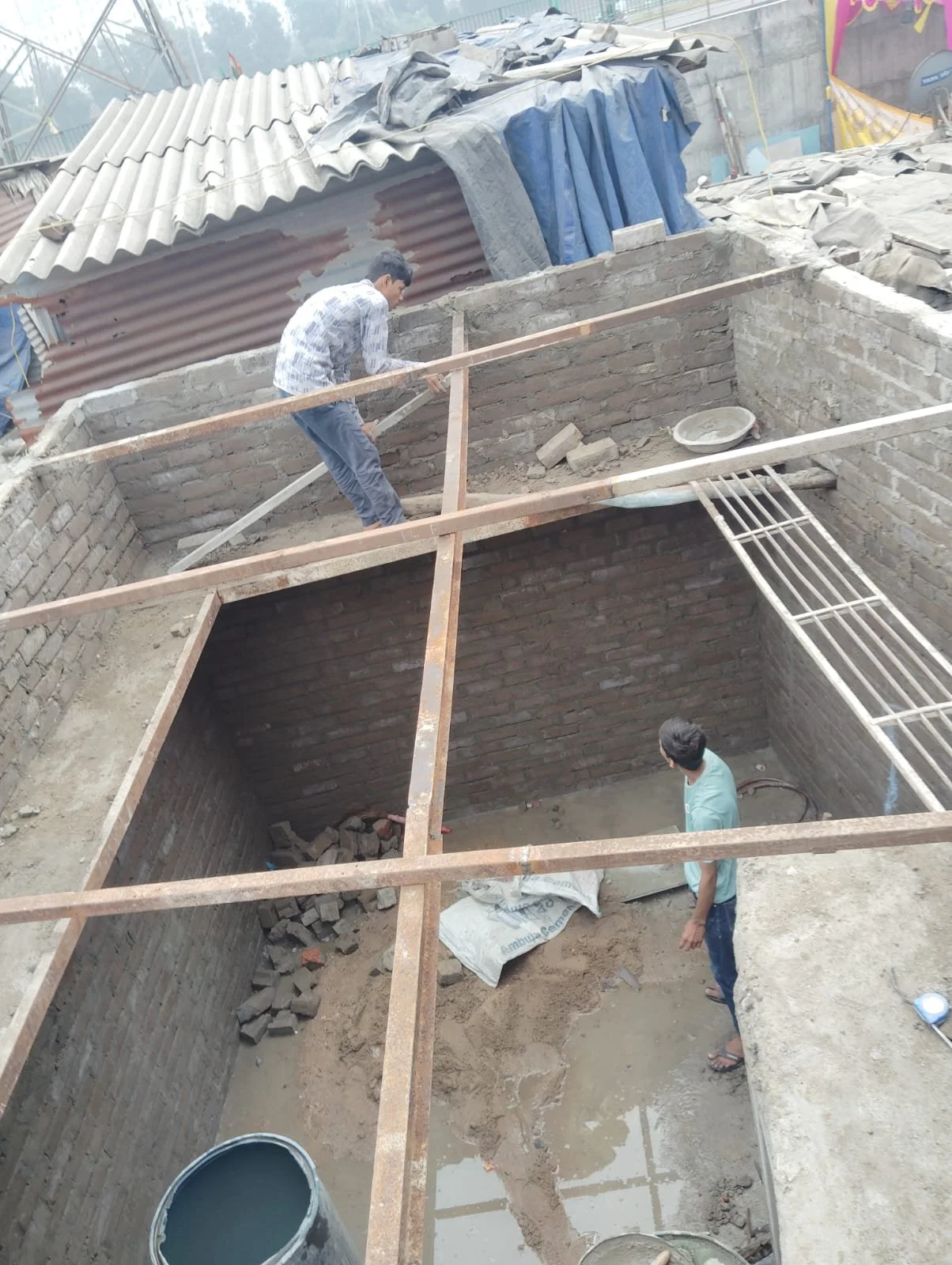
Through the tailored guidance ROOH Labs aim to produce 3 forms of upgrading one of which they call refurbish (in which the residents make seasonal repairs for survival), the second is retro-fitting (meaning that the participants substitute some elements of the house which are needed most urgently and reconstruct partially, incrementally - for example just the walls, just the roof) and the third is to overhaul (rebuild) the entire house only when necessary.
Grounding solutions in the households’ budget means action points are more achievable and directly actionable within a short amount of time. Just like the annual improvements the households were previously making, the process is generally a series of iterative upgrades drawing on extensive data and research into the solutions of communities across many informal settlements. Armed with this expert and real-world knowledge, people can invest their money more effectively and make upgrades that will last beyond their previous yearly ‘improvements’, in a climate conscious way. In this way they are also helping to tackle one of the root causes of homelessness – climate change.
Ambition and Altruism
ROOH plan to open 100 learning labs through working with partners across the global south. “We’re not just doing 5 or 6 locations. We’re going to do it in 100 locations, in 20 countries, in 5 years.”
They are already around halfway through their five-year period, and they have produced three books that are in the public domain (see ROOH Progress Publication-2023-2024) and are growing an index of techniques, materials and solutions relevant to the needs of informal households across Asia, Latin America, Africa and MENA.
One of the most remarkable elements of this campaign is not simply the scale but the incredible enthusiasm and generosity of the ROOH team. Keen to share all their data, knowledge and expertise, they leap to provide online courses to those who would like to join the campaign and all their resources are open source. This successful initiative is proving that it is not financial charity that will change the status quo for poorer people living in informal settlements, it is collective engagement and empowerment that demonstrates the true meaning of co-production.
Additional Information: Race to Resilience & Challenging Students
“ROOH’s vision links itself to the UN High Level Champions Race to Resilience and Race to Zero Campaigns, and expects itself to deliver the Race to Resilience goal of building resilience of 4 billion people across the globe, that remain most vulnerable to the disastrous effects of climate change.” If you would like to learn more or become a global partner, see the ROOH website for more information on the campaign. The site also details a challenge specifically open to undergraduate, postgraduate, and PhD students pursuing studies in design, architecture, planning, engineering, social sciences, and humanities to register and participate – furthering their knowledge around vital housing provision.
Real World Issues the Campaign Seeks to Solve
Many of the women in the slums of Nairobi will talk about their houses as ‘coin boxes’ (piggy banks), this is because there are no proper windows, just a little hole for very limited ventilation which leads to unhealthy outcomes. This is because glass windows would be too much of an expense. Instead, the windows could be entirely open holes in the summer but that poses a security risk and, in the winter, they must be covered due to the weather.
In shanty towns, fire can be a hazard due to how tightly packed the houses are and many of the households use portable gas to cook with. In addition many houses drape fabric on the inside walls to create some kind of insulation. Smruti Jukur shared that this can lead to tragedies when children lose their lives while trying to heat food and as many as four houses can be destroyed.
Complex issues like these are exactly the kind of challenges that ROOH is working to solve through collective learning and innovation. Do you have solutions you can share? Reach out to them at:
smrutisj@gmail.com
sparcnsdfmm@gmail.com
campaignforrooh@gmail.com
Words: Katelynne Kirk and Smruti Jukur